
Pickup Game Checklist: 4 Phase Prep, Self Call Scripts, Cut No Shows
Pickup Game Checklist: 4 Phase Prep, Self Call Scripts, Cut No Shows
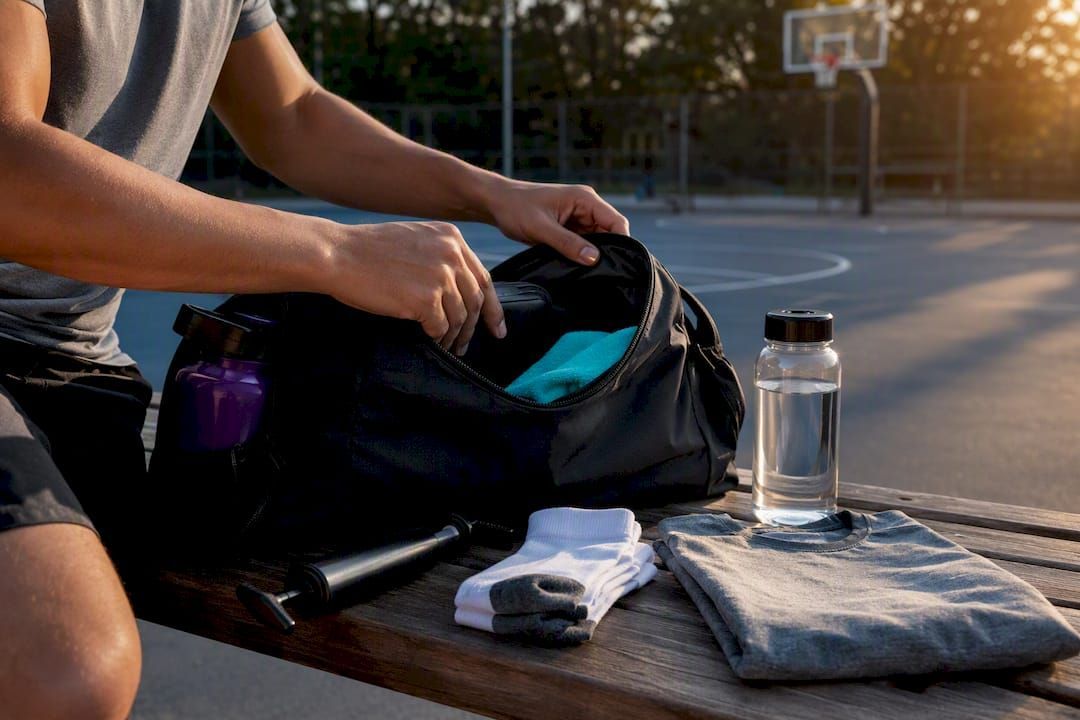
Bring surface-appropriate shoes, a spare shirt, at least a liter of water, and something small for cuts and scrapes. Call your own fouls the second they happen, and use check ball to restart play cleanly. That habit alone keeps more pickup runs alive than any piece of gear you own. Organizers who lean on a scheduling tool instead of a group chat tend to see fewer no-shows and smoother handoffs when someone drops.
TL;DR:
- Bring surface-appropriate shoes and a backup shirt organized in containers to streamline packing and avoid forgetting crucial items.
- Call fouls immediately and restart play with check-ball to maintain fairness and prevent disputes from delaying the game.
- Arrive 10 to 20 minutes early with water, a towel, and payment methods prepared to ensure a smooth start and reduce last-minute dropouts.
- Set clear rules, RSVP deadlines, and a late-cancel policy beforehand to minimize no-shows and keep the game well-attended.
- Use a roster app to automate RSVPs, waitlist management, and payment tracking, reducing organizer workload and enhancing game reliability.
Table of Contents
- The Pickup Game Checklist, Broken Down by Time
- How Do You Call Fouls and Restart Play Without an Ref?
- What Should You Do Before and After Arriving?
- Basketball vs. Football: What Changes in Your Bag?
- How Organizers Can Run a Tighter Game
- Staying Safe on the Court
- Talking Through Conflict Without Killing the Vibe
- Making Room for Every Skill Level
- Rules Change by Zip Code, Not Just by Sport
- An Organizer's Two-Minute Ritual
- Let Roster Handle the Logistics You're Tired Of
- Where to Go for More Detail
- Sources
The Pickup Game Checklist, Broken Down by Time
Most forgotten items don't get forgotten because players are careless. They get forgotten because packing happens in one rushed pass instead of in stages. Splitting your prep into four phases, night before, arrival, in-game, and post-game, catches almost everything before it becomes a problem on the court.
The night before
- Shoes matched to the surface (indoor court vs. outdoor asphalt wear very differently)
- Two shirts, one light and one dark, useful for team splitting
- Pump and needle if you're the one bringing the ball
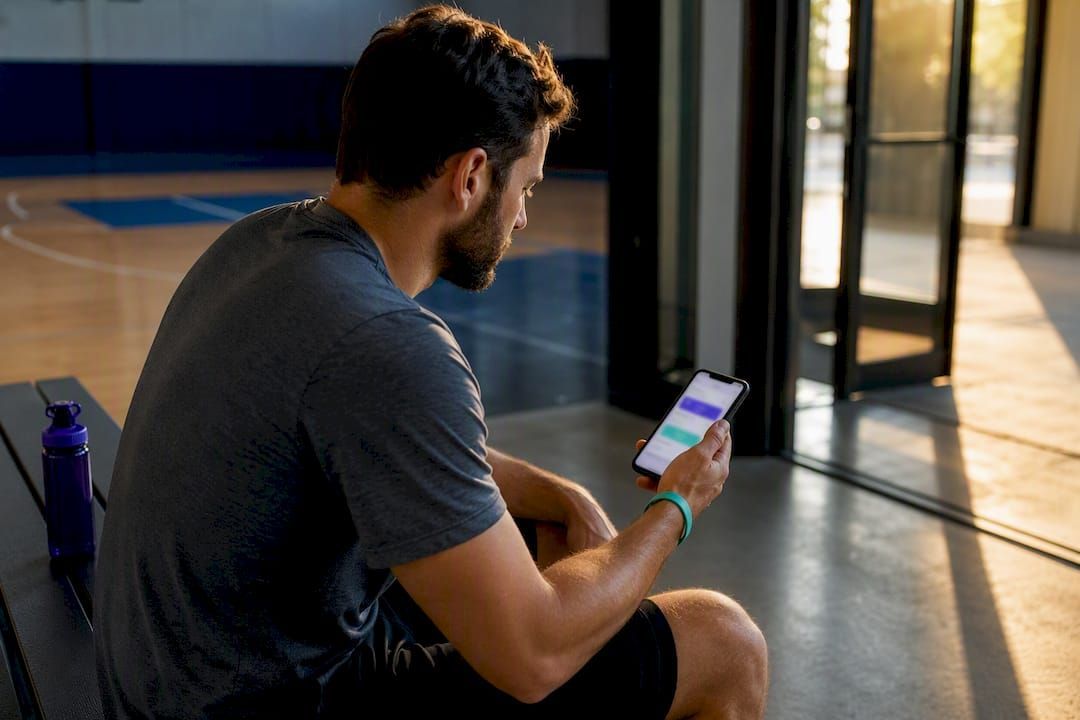
- Phone charged, with your payment app of choice ready to go
- ID, keys, and a small first-aid kit (bandages, tape, and an ice pack that activates on demand)
Arrival, 10 to 20 minutes early
- At least a liter of water, more if it's hot out
- A towel and a few extra socks
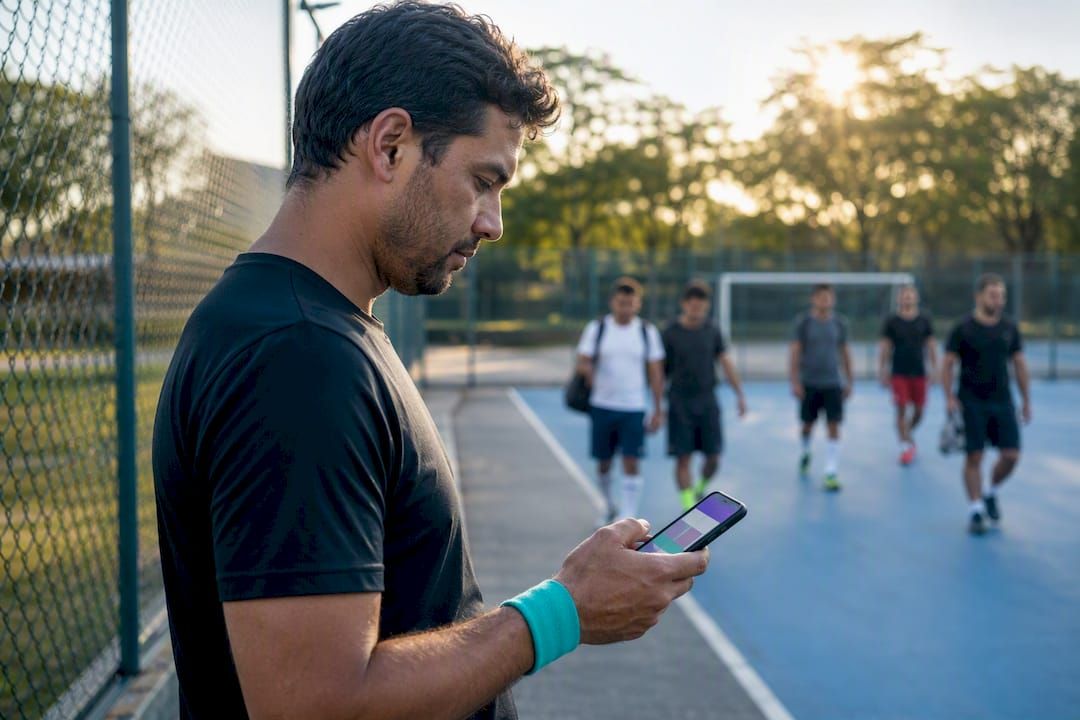
- Cash or a Venmo handle ready if the group splits court costs
- A light snack if the run is longer than an hour
During the game
- Footwear that actually grips the surface you're playing on
- A mouthguard if the run tends to get physical
- Your backup shirt within reach for a fast color change
- A ball pump nearby if pressure starts dropping mid-run
After the final bucket
- A cooling towel for the walk to your car
- A snack and a charger for the phone that's been at 12% since the third game
- A quick sweep of your spot on the sideline. Bottles and wrappers left behind are how courts lose their permission to be used
The trick that actually works: pack by container, not by item. Keep a small hydration kit, a mini medical kit, and a "uniform" pouch with your extra shirt and socks already loaded. At departure, you're checking three containers instead of hunting for fifteen individual things, a system borrowed from how team managers build game-day checklists for organized squads.
Pro Tip: Keep a "go bag" permanently packed with your first-aid kit, pump, and spare socks. Never unpack it fully between games, just swap the shirt and refill the water.
How Do You Call Fouls and Restart Play Without an Ref?
Pickup basketball runs entirely on an honor system, and that system only works if everyone follows the same short script. Self-officiated pickup games rely on players calling contact immediately, not three possessions later when tempers have already flared.
- Call it fast. Say "foul" or "my foul" the instant it happens. A call made ten seconds late looks like a complaint, not a fact.
- Check the ball. After a foul or a made basket in half-court games, the ball gets checked back in at the top of the key before play resumes. No exceptions, no memory-based restarts.
- Confirm the scoring format before tip-off. Ones and twos, twos and threes, make-it-take-it, or losers'-ball, pick one and say it out loud. Most full-court games run to 11, 15, or 21, win by two.
- Settle teams quickly. First five in play, captains draft, or just split by shirt color. Whatever method, decide it in under a minute so the run doesn't stall before it starts.
- Use a one-question script for disputes. "What are we playing to, make-it-take-it or losers' ball?" resolves the majority of arguments before they start, because most fights aren't really about the foul. They're about mismatched assumptions.
House rules vary by gym, by park, by city. A quick question before the first possession beats an argument during the fourth.
Pro Tip: If a dispute drags past ten seconds, default to a do-over possession. Nobody remembers who was "really" right, but everyone remembers a game that stalled for five minutes over it.
What Should You Do Before and After Arriving?
Showing up on time only solves half the problem. What happens in the ten minutes before tip-off, and the week leading up to it, determines whether the run actually happens with enough bodies.
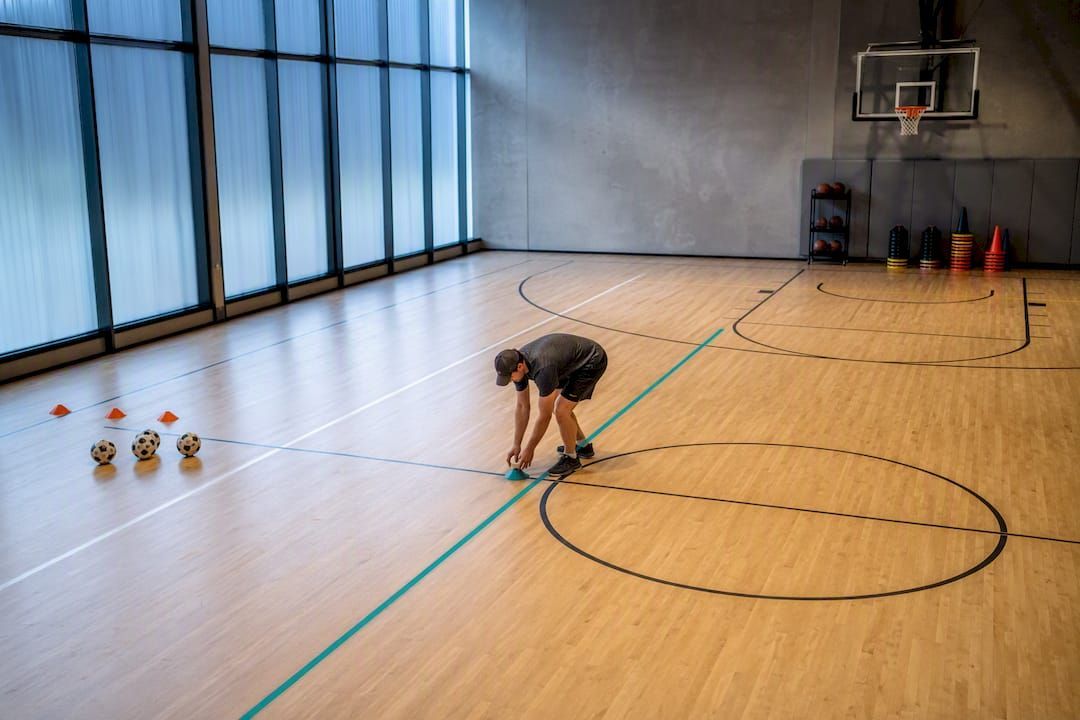
- Arrive 10 to 20 minutes early to help set up bibs, pump the ball, and confirm the scoring target with whoever else got there first.
- Settle payment however your group prefers: pre-pay weekly, split on Venmo when everyone arrives, or let the manager collect upfront. Pre-paying cuts last-minute flaking; splitting on arrival is more flexible but leaves the organizer chasing stragglers.
- If you're on a waitlist, treat the notification like a real invite. Reply fast, and don't show up "just in case" if you never got the confirmation text.
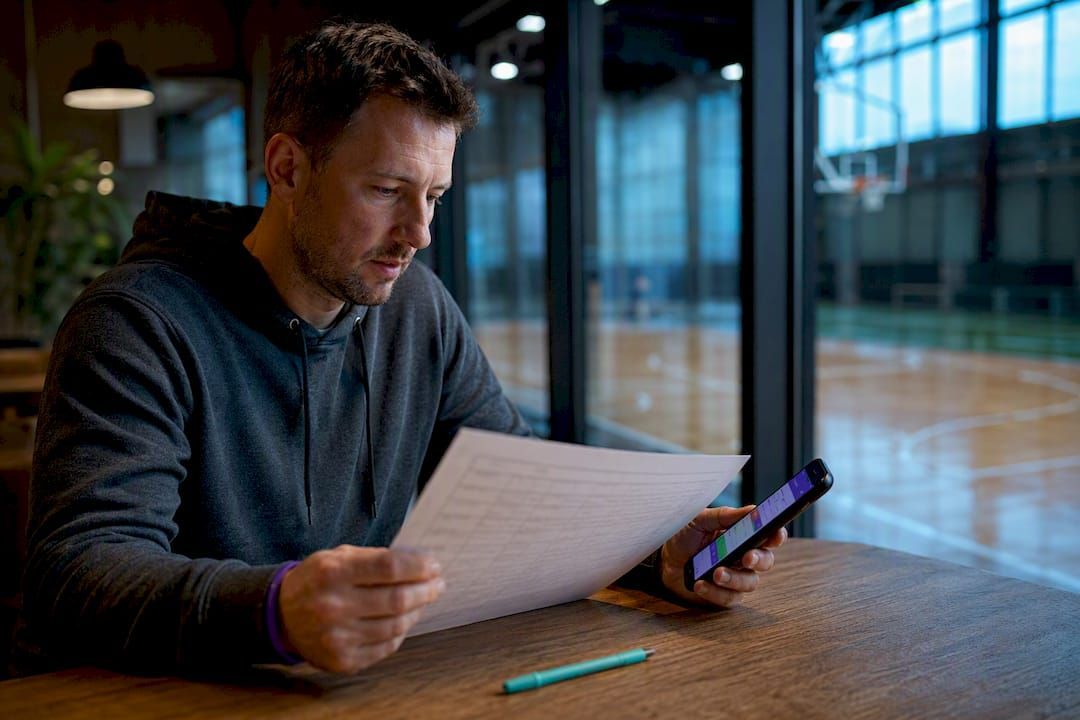
- Organizers do best setting three simple rules ahead of time: an RSVP deadline, no "maybe" responses, and a late-cancel policy (skip the next game if you bail within a few hours of start time).
Booking the same court on the same day every week, and inviting a few more players than you have spots for, roughly 12 to 14 people for a 10 spot run, gives you a real cushion against the two or three who inevitably cancel.
Basketball vs. Football: What Changes in Your Bag?
The core checklist barely shifts between sports, but a few specifics do.
- Basketball: Indoor courts call for non-marking rubber soles; outdoor asphalt wears through soft rubber fast, so bring shoes built for it. A pump and needle belong in your bag if you're the one supplying the ball. Scoring usually runs ones and twos or twos and threes, and check-ball customs apply after every foul or make in half-court games.
- Football/soccer: Match your boots to the surface, firm ground studs for grass, turf shoes for artificial pitches. Shin pads matter more in pickup games than people assume, since tackles are less controlled than in league play. Bring two shirts for team splitting and don't skimp on water or sun protection for outdoor runs.
- Confirm house rules for the specific venue before you play. A park three miles away might run totally different scoring conventions than the gym you're used to.
How Organizers Can Run a Tighter Game
A clean run starts with the same time-phased thinking players use for packing, just applied to logistics instead of gear. Set your RSVP deadline, ban "maybe" responses, and spell out a late-cancel consequence (skip the next game) before the first invite goes out. Invite 12 to 14 people for a 10-spot game so cancellations don't leave you short.
- Keep a standing waitlist so drop-outs get backfilled automatically instead of over group text
- Track who's paid before game day instead of chasing Venmo requests afterward
- Build an inclusive run by setting expectations upfront about skill level and pace
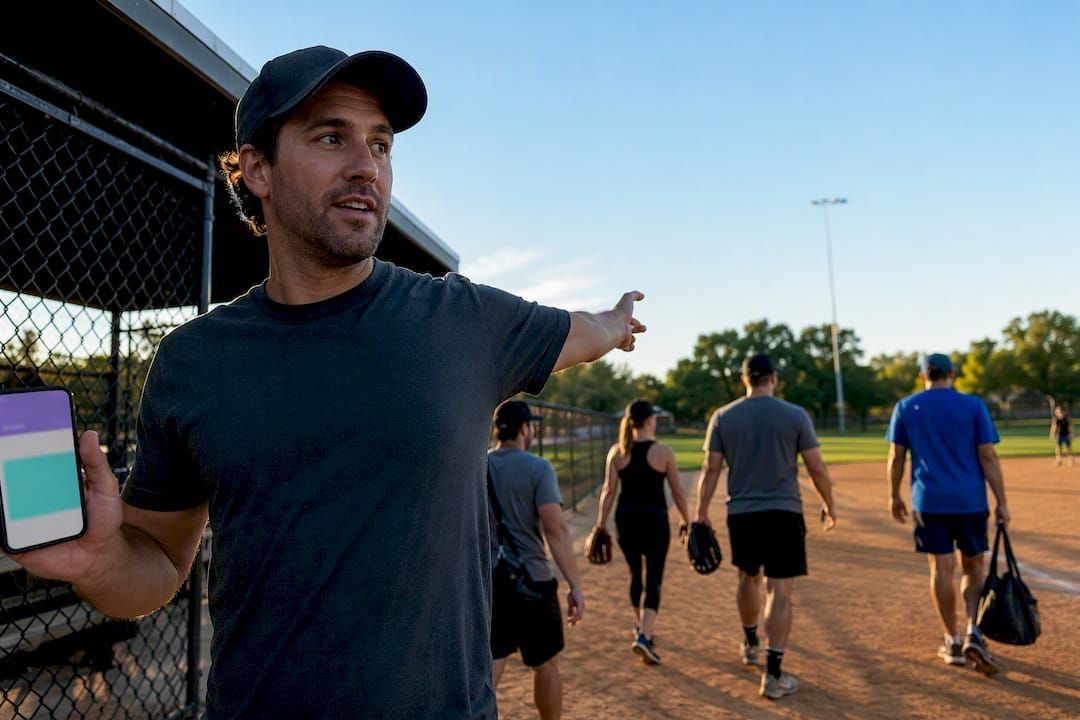
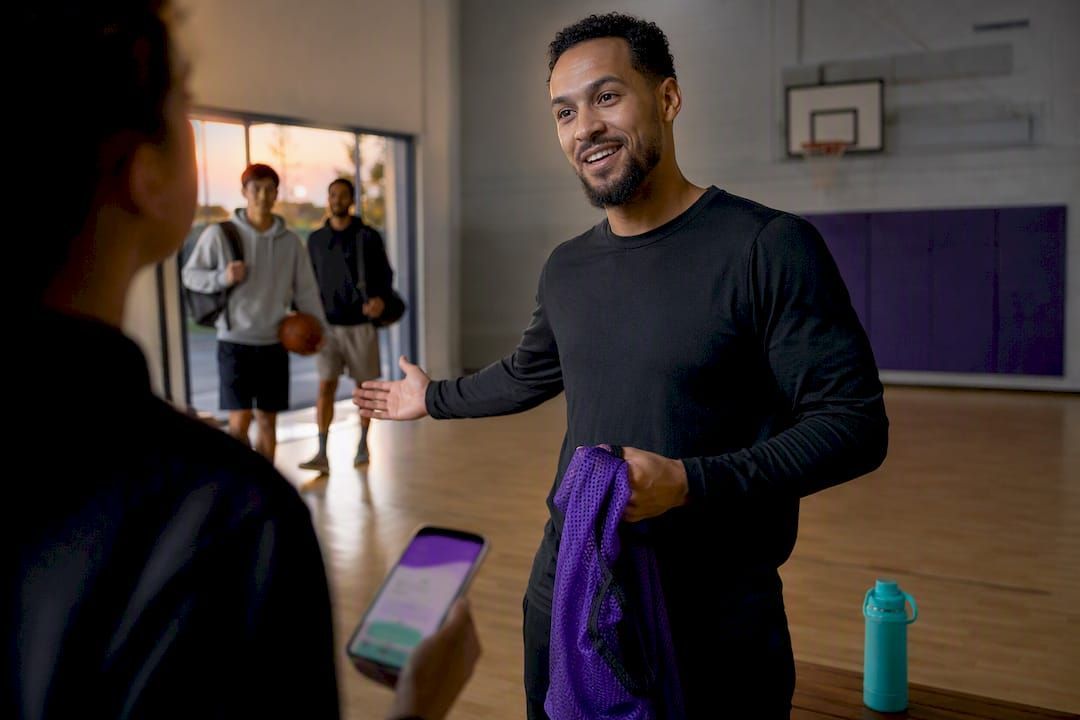
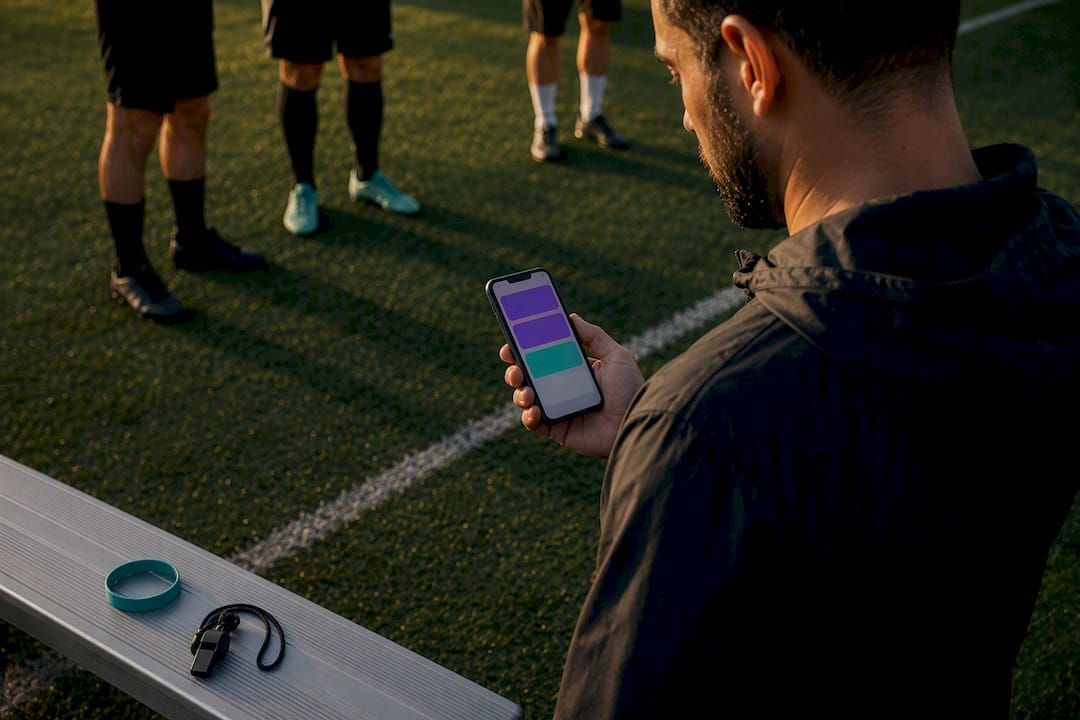
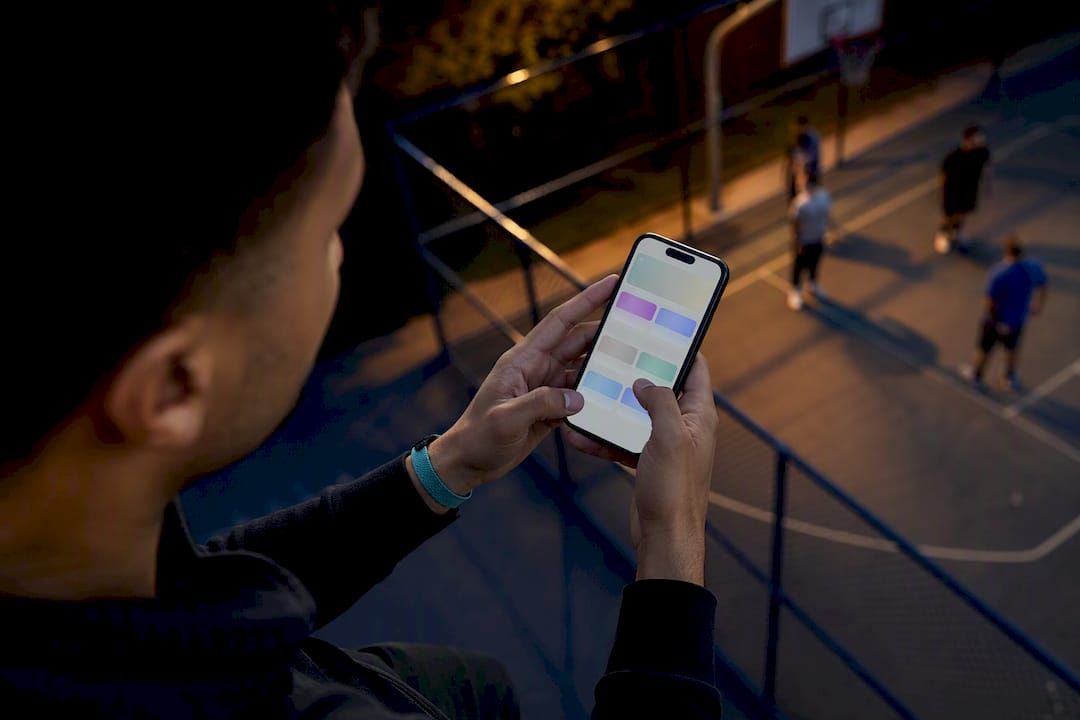
A roster-style app can automate the parts that eat an organizer's Sunday night, RSVPs, waitlist fills, payment tracking, so the only thing left to manage in person is the actual game.
Staying Safe on the Court
Most pickup injuries come from two sources: unfamiliar surfaces and skipped warmups. Rolled ankles happen most often on uneven asphalt or worn gym floors where players aren't used to the footing, which is exactly why matching your shoes to the surface isn't a cosmetic choice.
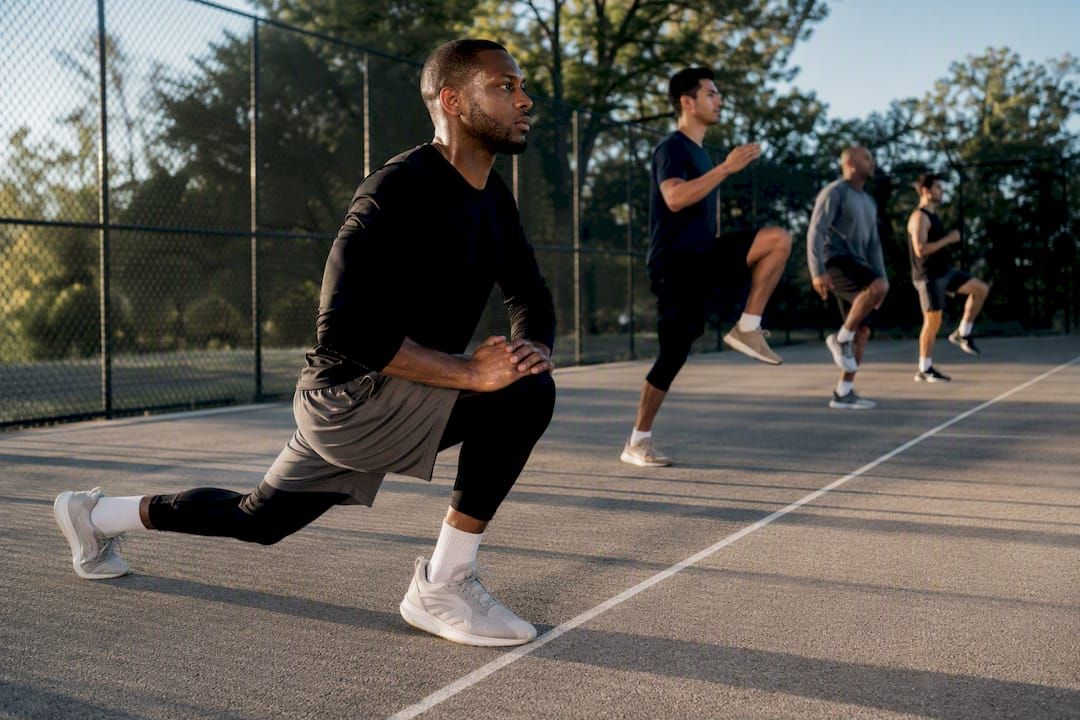
Spend two minutes on dynamic stretches, lunges, high knees, ankle circles, before the first possession. Cold muscles tear easier, and pickup games rarely include a formal warmup unless someone insists on one. If you're prone to ankle issues, tape or a brace costs you nothing in performance and saves you weeks of recovery.
Hydrate before you're thirsty. By the time you feel it, you're already behind, and that's when decision-making and reaction time both slip, which is its own injury risk. Keep a small first-aid kit within reach, not in the car, for scrapes, jammed fingers, and the occasional bloody nose that pickup basketball seems to specialize in.
Know when to sit out. Rolling an ankle and playing through it turns a three-day injury into a three-week one. Nobody on a pickup court is grading your toughness, and the next run will still be there next week.
Talking Through Conflict Without Killing the Vibe
Most pickup arguments aren't about the foul call itself. They're about two players operating on different assumptions about what was agreed to before the game started. That's why confirming the format out loud, make-it-take-it or straight rotation, win-by-one or win-by-two, matters more than most players realize.
When a dispute does flare up, keep it short. State your call once, calmly, and move on. Repeating yourself louder rarely convinces anyone; it just extends the delay. If two players genuinely can't agree, default to a do-over possession rather than letting the argument eat five minutes of court time everyone else is waiting on.
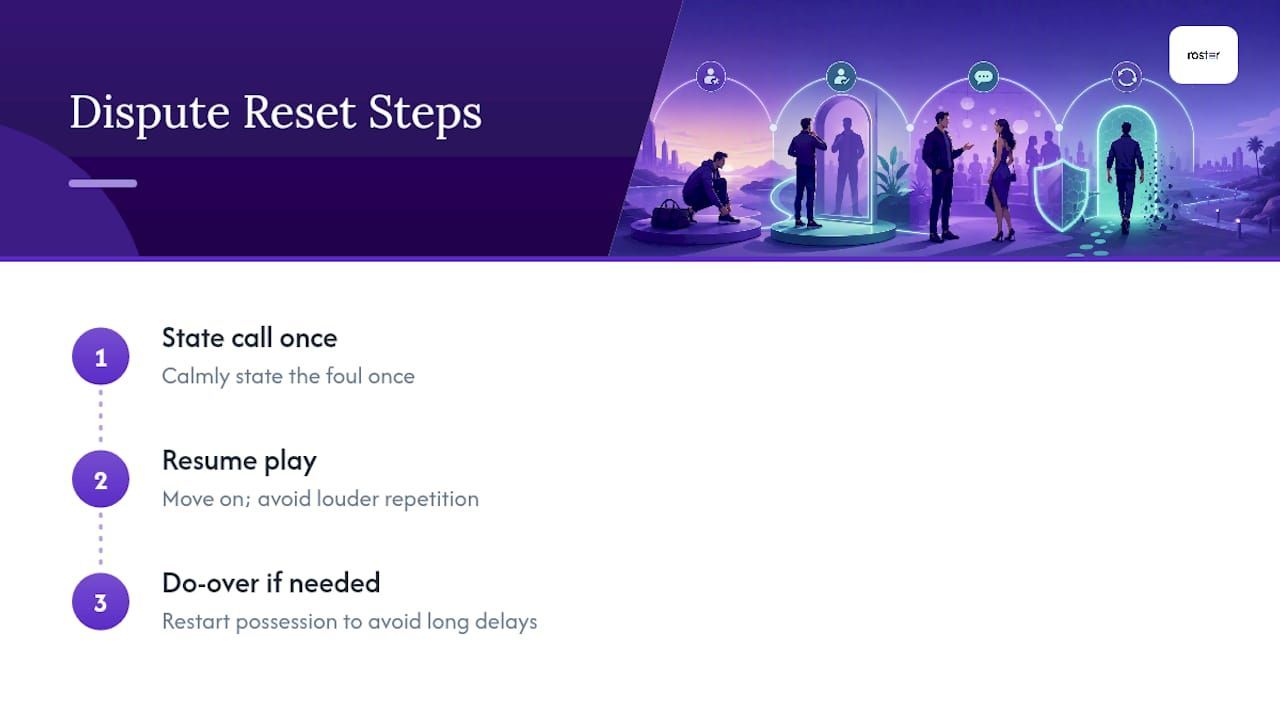
Tone matters as much as the words. A flat "that's a foul" lands very differently than an accusatory one, even when the call itself is identical. Pickup runs survive on goodwill, and goodwill erodes fast when every call turns into a debate. If someone consistently over-calls fouls or refuses to acknowledge obvious ones, address it directly after the game, not mid-possession in front of everyone.
Making Room for Every Skill Level
The best pickup runs aren't the most competitive ones. They're the ones people actually keep coming back to, which usually means finding a rhythm that works for mixed skill levels instead of turning every game into a tryout.
A few adjustments go a long way: rotating teams every game or two so the same strong players don't stack up together, calling switches on defense so slower matchups don't get exploited every trip down, and setting a tone early that hero ball isn't the point. If a newer player is clearly overwhelmed, simple in-game coaching, "call for the ball," "cut here", helps more than silence ever does.
Inclusive doesn't mean lowering the intensity for everyone. It means making sure the game has room for a range of paces without anyone feeling like they're either sandbagging or drowning.
Rules Change by Zip Code, Not Just by Sport
What counts as a foul in one gym might get waved off entirely three towns over. Some courts play winners-stay, losers-sit; others rotate teams every game regardless of outcome. Some groups treat backcourt violations strictly in half-court games; plenty of others ignore them completely. Even something as basic as "make it, take it" varies: some runs use it only for threes, others for every basket.
Regional habits run deep too. Physical, contact-heavy defense that's completely normal in one city's parks draws fouls constantly in another. That's not a rules problem so much as a culture gap, and it's exactly why asking one clarifying question before the game beats assuming your home court's norms travel with you.
An Organizer's Two-Minute Ritual
The habit that pays off most: a two-minute pregame check, water topped off, spare shirt visible, court rules confirmed out loud, before the first ball goes up. Standardized packing containers and a consistent arrival ritual do more for game quality than any single piece of gear. Full case studies and background on the organizers behind this advice will follow as the app grows.
— Daniel
Let Roster Handle the Logistics You're Tired Of
Roster Sports is built for the exact friction this checklist tries to prevent: the no-show nobody warned you about, the Venmo request that never gets paid, the group chat where three people say they're coming and one actually shows.
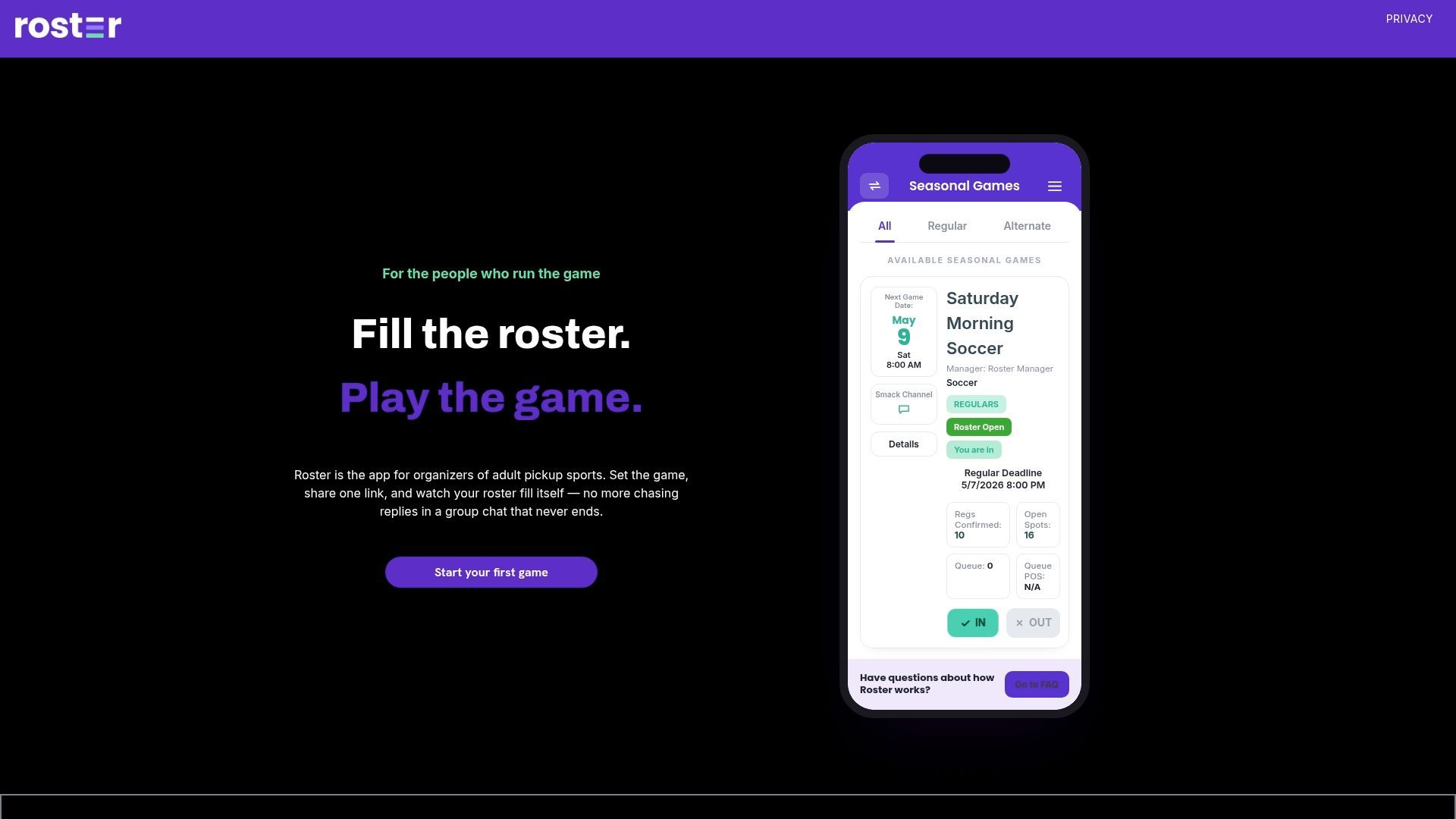
The app lets you set your game details once and share a single link. Players RSVP directly, open spots fill automatically from a waitlist when someone drops, and payment tracking happens in the background instead of in a spreadsheet you update at midnight. Organizers pay fees based on participation, and the roster runs itself from there. If you're the one who ends up managing the group chat every week, check out the app and set up your first game link before your next scheduled run.
Where to Go for More Detail
For deeper gear breakdowns, see Academy's basketball equipment list. For reducing no-shows and managing waitlists, read Roster's guides on game invites and waitlist etiquette. A cooling towel rounds out your post-game bag well.
Sources
Recommended