
One Sign Up Link Organizers Use to Run Pickup Softball
One Sign Up Link Organizers Use to Run Pickup Softball
You can get a playable pickup softball game running in about a week: book a 90-minute field slot, set a roster goal of 12 to 18 players with at least nine or ten guaranteed on the field, and publish one shared sign-up link with RSVP rules and cost spelled out. Everything else is just maintenance.
TL;DR:
- Booking a 90-minute field slot and publishing a single RSVP link five days in advance helps ensure a filled roster with minimal planning.
- Using consistent channels like neighborhood groups and messaging templates streamlines recruiting 12 to 18 players for casual coed softball games.
- Implementing a clear attendance policy and automated waitlist can drastically reduce no-shows and improve game reliability.
- Essential equipment includes bases, softballs, helmets, and safety gear, along with water and shade for summer games to prevent injuries.
- Automating logistics with an app like Roster Sports simplifies managing sign-ups, payments, and last-minute substitutions, increasing long-term group viability.
Table of Contents
- Quick Organizer Checklist to Set Up Your First Game
- Where to Find Players and What to Say
- Field Time, Fees, and the 90-Minute Rule
- Running Game Day Without Chaos
- Managing No-Shows, Waitlists, and Flaky Players
- Equipment and Safety Basics Nobody Should Skip
- What Actually Keeps a Pickup Group Alive for Years
- Let an App Handle the Logistics You Don't Enjoy
- A Few Places to Keep Learning
- Sources
Quick Organizer Checklist to Set Up Your First Game
Getting the first game on the calendar takes less planning than most first-time organizers assume. Here's the order that actually works:
- Pick a date and time, then lock the field. Call your parks department or check the reservation portal, and confirm you actually have the diamond, not just a "probably open" park.
- Decide your format. Coed slow-pitch is the default for most casual softball meetups because it's lower-injury-risk and easier to fill with mixed skill levels.
- Set your roster target. Aim for 12 to 18 signups so you can field the 9 or 10 players a lineup needs even after a few no-shows.
- Assemble your gear list and assign setup jobs , even if that's just you and one early arriver.
- Write and post one event link with RSVP instructions, cost, and a check-in time.
Pro Tip: Post the sign-up link at least five days before game day. Waiting until the day before almost guarantees you'll be scrambling to fill the last three spots an hour before first pitch.
Where to Find Players and What to Say
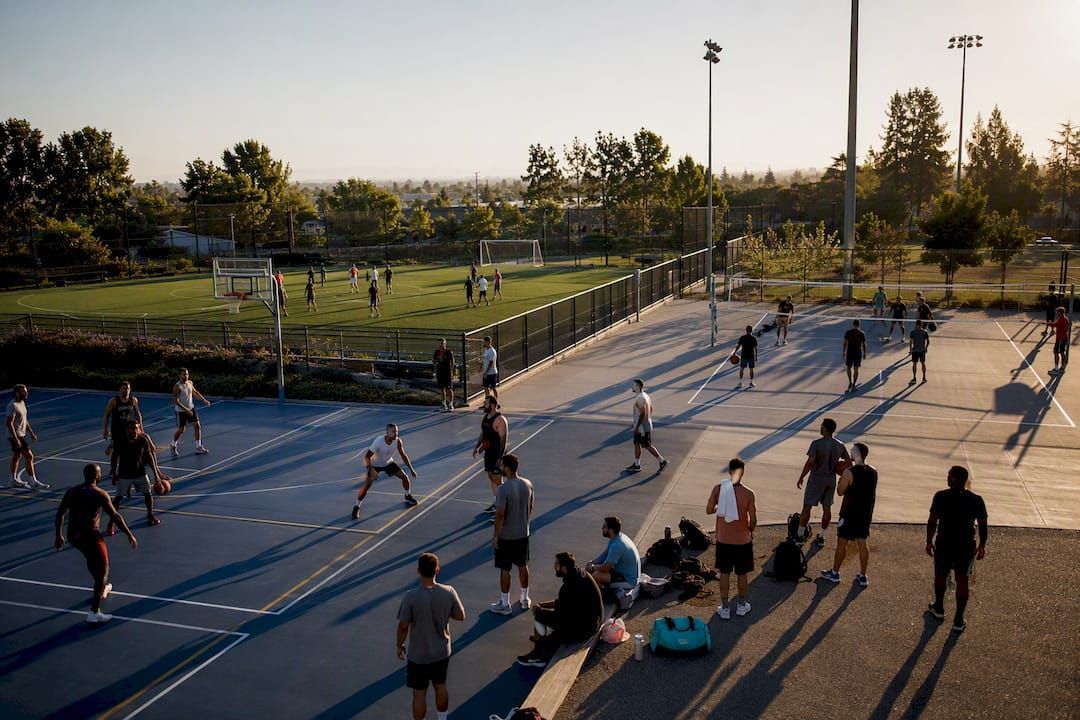
Filling a roster is primarily a distribution problem. The channels that actually convert strangers into players are neighborhood Facebook groups, Meetup listings, workplace Slack or email chains, park district bulletin boards, and a WhatsApp or SMS list of regulars. San Diego's long-running Softball 619 meetup draws 18 to 24 players nearly every Saturday using exactly this mix, which tells you the channels matter less than consistency.
Your invite message needs five things or people will message you five separate questions instead of just showing up:
- Date and time , written out fully, not "this Sat"
- Field name and a landmark ("third base dugout faces the parking lot")
- Skill level expectation (casual, intermediate, competitive)
- Cost per player , if any
- A single RSVP link with check-in instructions
Send the initial post 7 to 10 days out, a reminder at the 3 to 5 day mark, and a short day-before nudge. That third message is the one that catches the players who meant to sign up and forgot. A game invite template built around these five elements will fill a roster faster than a paragraph dropped into a group chat, mostly because nobody has to scroll up 40 messages to find the field address.
Field Time, Fees, and the 90-Minute Rule
A ninety-minute block is a standard duration for a casual game, including setup and teardown time, not just the innings. Book less than that and you'll be calling the game early to beat the next group onto the field.
Permit fields versus first-come public parks is the real trade-off every organizer eventually faces:
- Permitted fields guarantee your slot but usually carry a small rental fee and require you to name a responsible party.
- Casual, no-reservation parks cost nothing but mean you might show up to find another group already using the diamond.
- Weekday evenings draw smaller, more reliable crowds; weekend mornings pull bigger numbers but compete with youth leagues for the same fields.
- Parking and lighting matter more than most first-timers plan for. A field with no lights kills your game the moment daylight fades in fall.
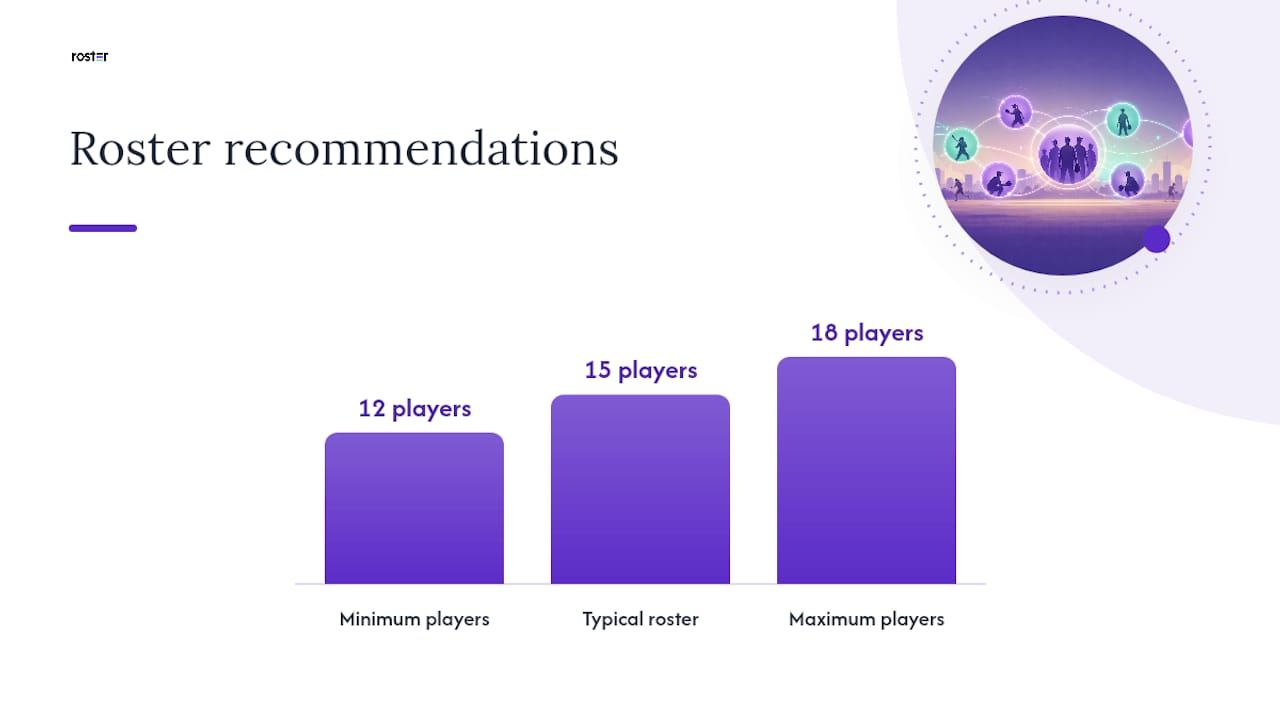
Roster size recommendations from long-running organizer guides consistently land in the 12 to 18 player range, which covers the inevitable no-shows without leaving you shorthanded. Build in one or two rain-check dates before the season starts. Nothing kills a new pickup group faster than a rained-out first game with no backup plan already communicated.
Running Game Day Without Chaos
Game day success comes down to four repeatable moves, done the same way every week so nobody has to guess what happens next.
- Check in players against your roster as they arrive , not after first pitch. A five-minute check-in window catches no-shows early enough to text your waitlist.
- Split teams by count-off or a quick shuffle rather than captains picking, which tends to strand the same weaker players on the same team week after week.
- Place less experienced players at first base or in a corner outfield spot where the play frequency is lower but they're still fully involved, not benched.
- Set a simple coed rule , like requiring a minimum number of female players on the field and alternating gender in the batting order. It keeps games balanced without turning into a rulebook debate.
The essential field setup for casual play mirrors organized leagues closely enough that the standard 9-player defensive alignment works fine for pickup games too.
Managing No-Shows, Waitlists, and Flaky Players
A published attendance policy solves more problems before they happen than any amount of pleading in the group chat afterward. The most common version is a three-strike rule: three unexcused no-shows and a player drops to the bottom of future sign-up priority.
- Post the policy once, publicly, before anyone can claim they didn't know.
- Run an automated waitlist tied to your sign-up link so a drop at 8pm the night before fills itself instead of triggering a panic-text chain.
- Consider a small per-game fee or a Venmo tracking system between players and the manager. Money on the line, even $5, cuts flake rates noticeably.
- When a substitute steps in last minute, update the roster immediately rather than relying on someone remembering to mention it at the field.
Pro Tip: Waitlists only work if people can actually see their position in line. A vague "I'll let you know" from the organizer just creates more DMs asking for updates.
Organizers who run one shared sign-up link with a clear RSVP policy report noticeably fewer no-shows and less coordination chaos than groups still managing everything through scattered text threads.

Equipment and Safety Basics Nobody Should Skip
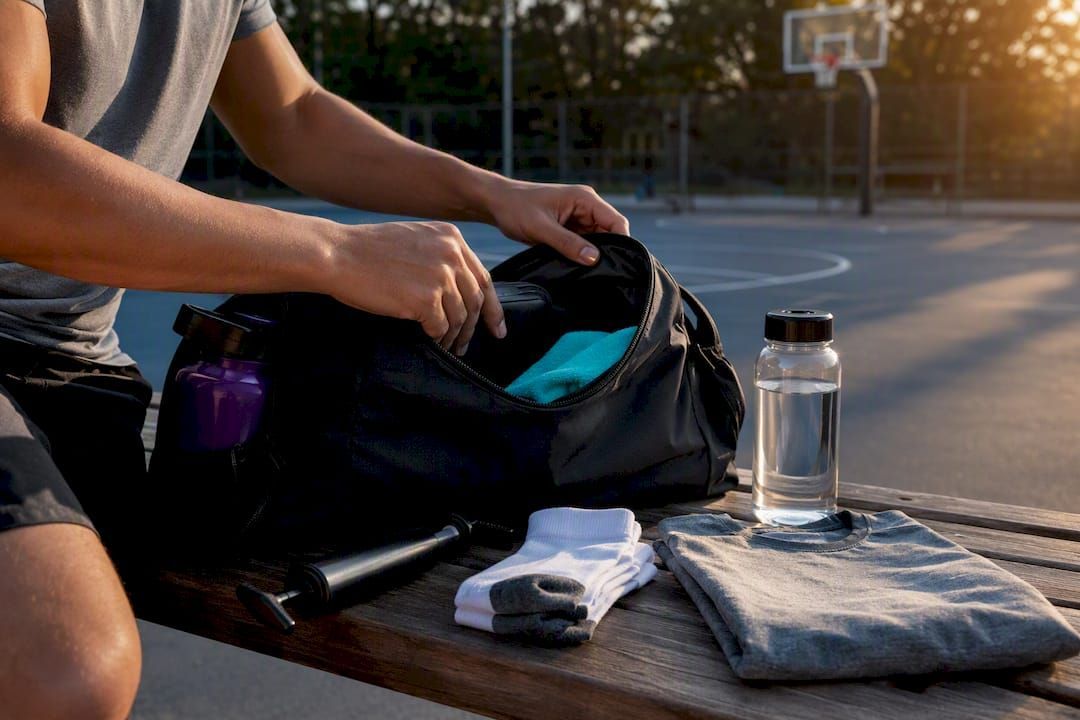
You don't need a truck full of gear, but a handful of items separate a real game from a glorified catch session.
- Bases and a pitcher's plate , portable rubber sets pack down small enough for a car trunk.
- 3 to 6 game-ready softballs , because balls get lost in weeds faster than you'd think.
- Bats that meet standard bat certification stamps , plus at least a couple of loaner options for players who show up empty-handed.
- Batting helmets , required for every hitter, no exceptions, even in a casual league.
- Cones for foul lines , a scoreboard or even a chalk tally, and a basic first-aid kit.
- Water and shade planning for anyone playing in summer heat, since heat-related issues are the most common pickup-game injury that has nothing to do with the sport itself.
- A trash bag and five minutes of cleanup before you leave. Parks departments notice a trashed field fast, and that's how permits disappear for everyone using that diamond.
What Actually Keeps a Pickup Group Alive for Years
Burnout kills more pickup softball groups than bad weather or thin rosters ever will. The organizers who last aren't running perfect games. They're the ones who automated the boring parts, rotated jobs like scorekeeping and equipment hauling among a few regulars, and kept their messages short enough that people actually read them.
Success isn't a flawless lineup. It's a group of 15 to 20 people who show up most weeks and actually want to be there. Avoid repeating the same matchups more than once every few weeks; casual players notice and disengage when it's the same eight people against the same eight people every time. A five-minute postgame hangout at the dugout does more for retention than any rule change you could write.
— Daniel
Let an App Handle the Logistics You Don't Enjoy
Everything covered above, the sign-up link, the waitlist, the attendance tracking, is exactly what Roster Sports was built to automate for organizers who'd rather be playing than managing a spreadsheet. Instead of juggling five group chats and a mental tally of who paid, you set the game details once and share a single link. Roster fills open roster spots in real time and slots dropouts into a waitlist automatically, so you're not the one sending 11pm "we need one more" texts.
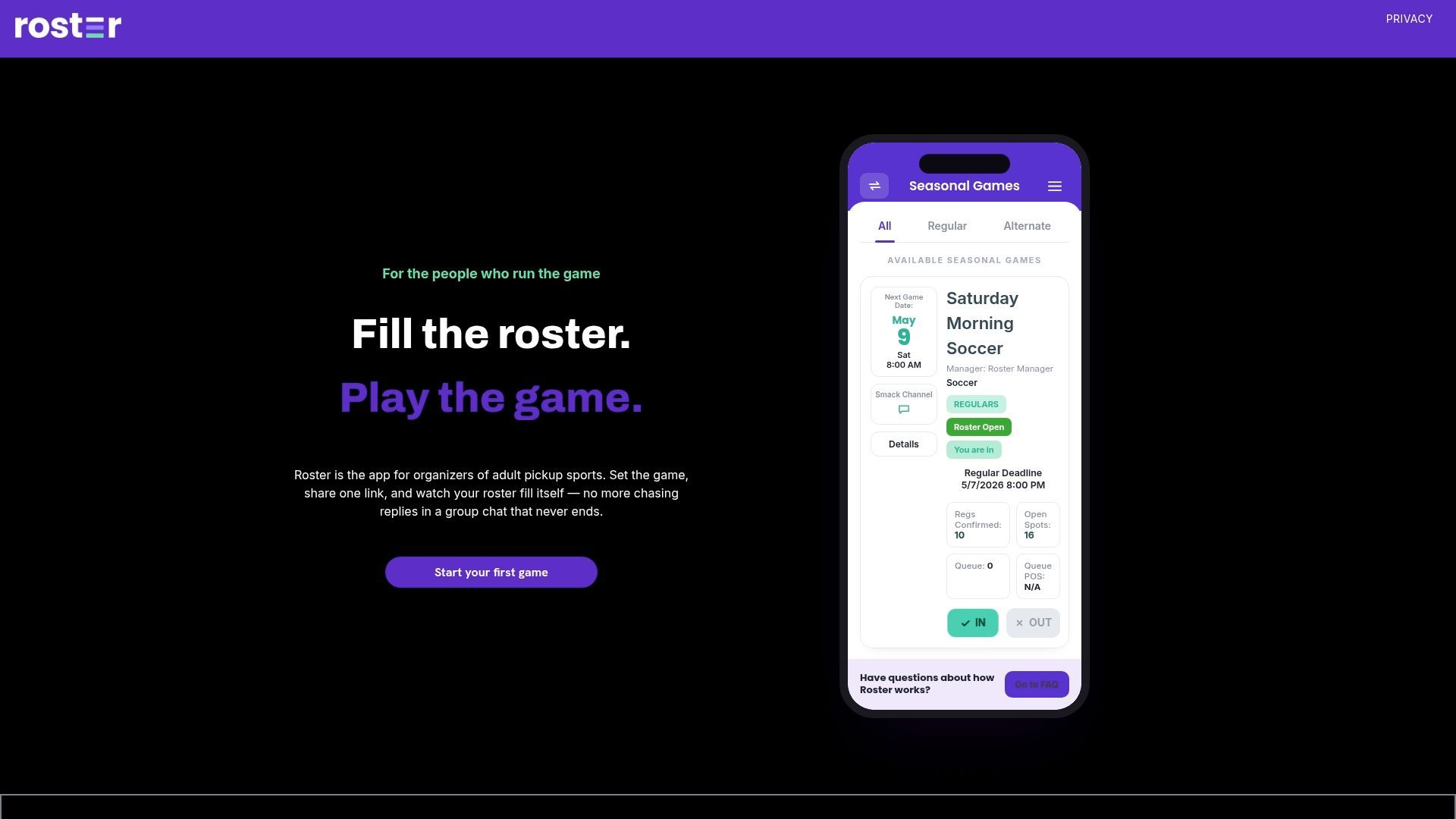
The app also helps manage money matters between players and managers to reduce confusion about payments after the season's over. If you're tired of running your pickup group through memory and group-text archaeology, check out the Roster Sports game organizer app and set up your next game with one link instead of ten messages.
A Few Places to Keep Learning
For real-world examples of long-running groups, look at the San Francisco Pickup Softball Network and Roster's own inclusive pickup game guide for templates and recruiting tips.
Sources
Recommended