
How to Host a Multi-Sport Night That Actually Fills Every Spot
How to Host a Multi-Sport Night That Actually Fills Every Spot
Yes, you can reliably host a multi-sport night by combining one event workflow, hard capacity caps, an automated waitlist, and up-front payment. Those three pieces, a schedule template, roster and waitlist automation, and pay-to-play collection, are what separate a smooth Tuesday night from a group chat meltdown at 6:45 PM. An app like Roster Sports handles the second and third pieces automatically, which is the part that burns out most organizers. Here's what to do right now:
- Pick your format (rotation, block, or parallel courts) and set caps per sport.
- Create one event and share a single sign-up link instead of a group chat poll.
- Turn on payment collection at RSVP so no one shows up owing you money.
Key Takeaways
Hosting a reliable multi-sport night comes down to one schedule template, automated waitlist management, and payment collected at RSVP rather than chased down afterward.
| Point | Details |
|---|---|
| Pick one format upfront | Choose rotation, block scheduling, or parallel courts based on group size and equipment needs. |
| Size your waitlist realistically | Plan for roughly 20 to 30% drop-off and set auto-promotion rules for open spots. |
| Collect payment at RSVP | Up-front payment cuts no-shows and ends the IOU chase after the event. |
| Track attendance as reputation | Use attendance history to prioritize reliable players for limited recurring spots. |
| Automate the busywork | Roster Sports handles scheduling, waitlist promotion, and payment collection from a single shared link. |
Table of Contents
- Setup Checklist Before You Announce a Multi-Sport Night
- What Schedule Format Works Best for a Multi-Sport Night?
- How Do You Manage Signups, Caps, and Waitlists?
- How Should You Handle Payments and No-Shows?
- Day-Of Playbook: Running a Smooth Multi-Sport Night
- How Do You Turn One Night Into a Recurring Series?
- Safety Protocols and Injury Management for Multi-Sport Nights
- How Should You Communicate Schedule Changes to Players?
- Staffing and Volunteer Management for a Multi-Sport Night
- What Should You Look for in a Venue for Multi-Sport Nights?
- What Organizers Get Wrong About Multi-Sport Nights
- Let Roster Sports Handle the Logistics You Shouldn't Have To
- Frequently Asked Questions
- Sources
Setup Checklist Before You Announce a Multi-Sport Night
Get these five decisions locked before you post anything publicly. Skipping this step is how organizers end up renegotiating court time with fifteen people already texting them.
- Pick the order and format. Decide if sports rotate through short blocks or run back-to-back, and set a hard cap per court or per sport.
- Confirm the venue. Lock access times, entry procedure, and a buffer window for gear changes between sports.
- Assign roles. Someone checks people in, someone handles payment questions, someone owns equipment. One person cannot do all three at once.
- Share a single sign-up link. Every player uses the same link, no separate group chats per sport.
- Set an RSVP deadline. Give yourself 24 to 48 hours before the night to finalize numbers and alternate sizing.
Weekday evenings between 6 and 9 PM and weekend mornings tend to pull the strongest turnout, according to organizer guidance from TapNGame, so poll your regulars before locking a slot if you're not sure yet.
Pro Tip: Confirm your venue's access window in writing (text or email) at least a week out. Verbal "yeah, you're good" from a facility manager has a way of evaporating the day of.
What Schedule Format Works Best for a Multi-Sport Night?
Three formats cover almost every multi-sport night: rotation, block scheduling, and parallel courts. Which one fits depends on your group size, your venue, and how much gear you're swapping between sports.
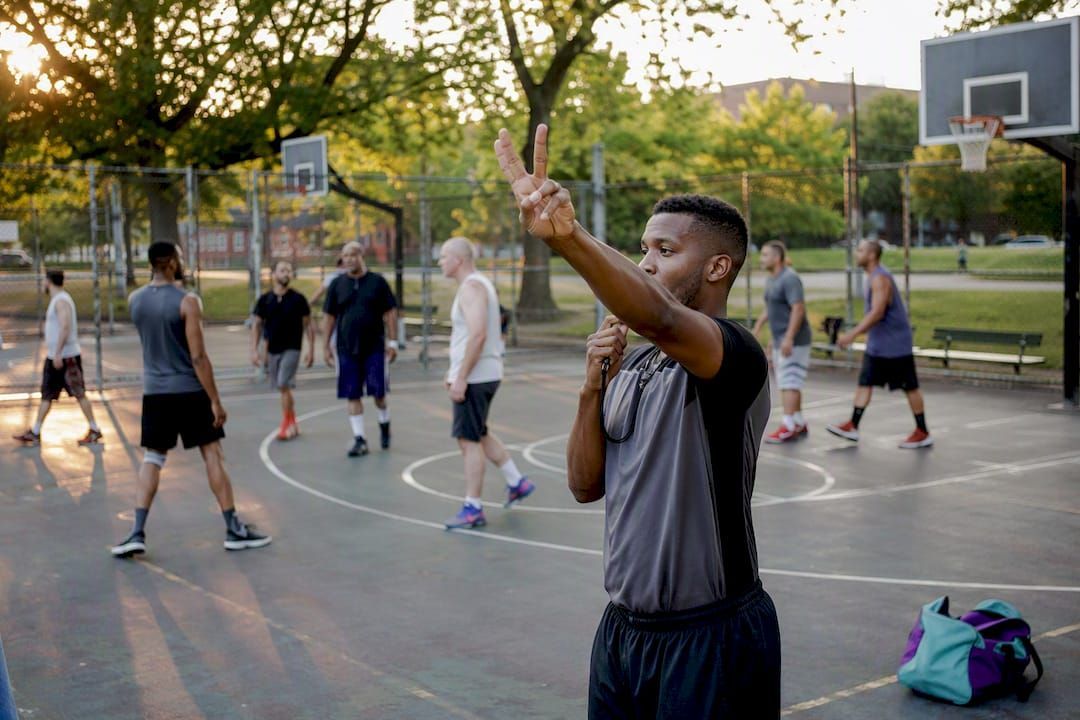
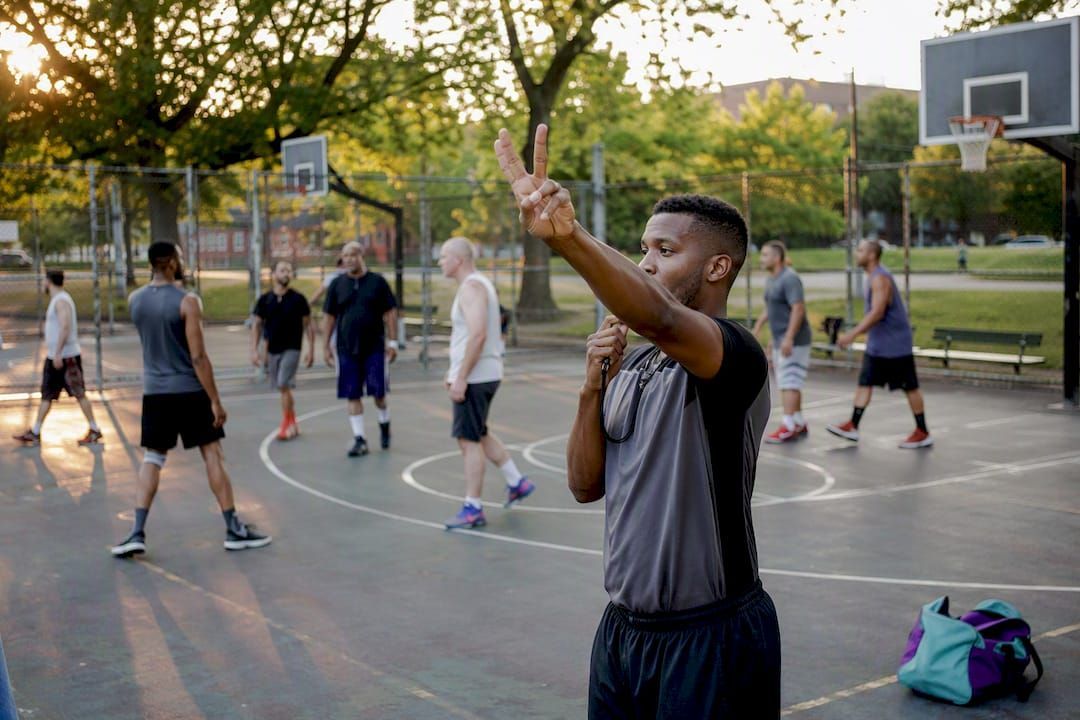
Rotation format works when you're running short, fast games and want everyone to play everything. Teams or winners rotate through stations or time slots, which keeps energy high and nobody sitting out too long. It's the best fit for pickup basketball, volleyball, and similar low-setup sports.
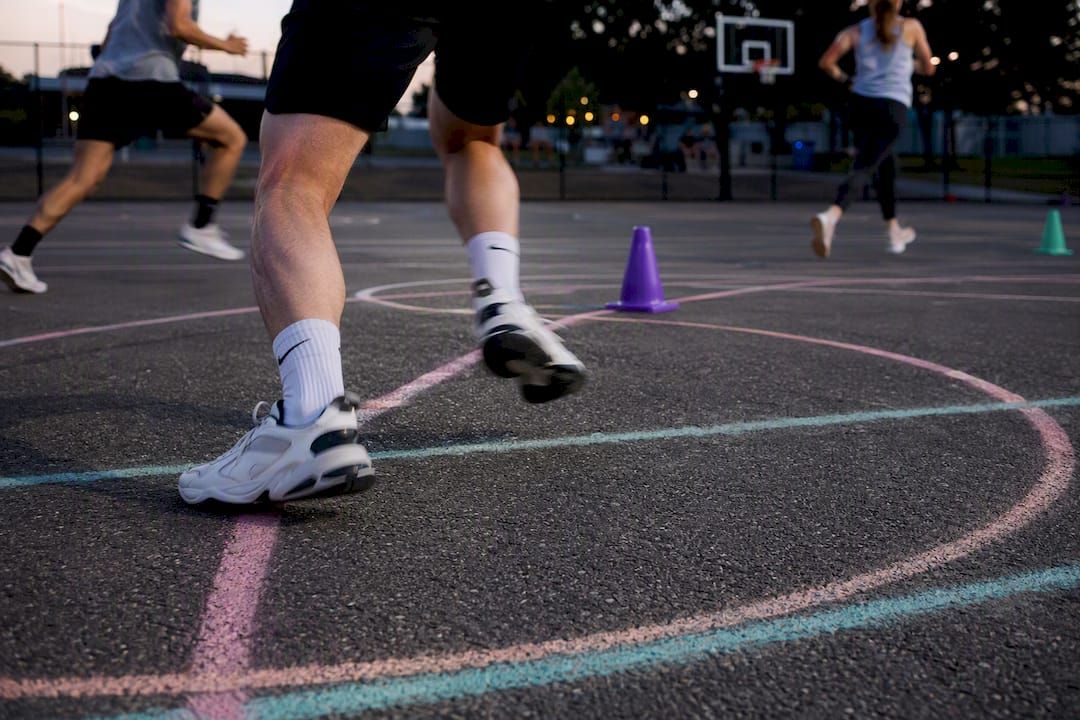
Block scheduling dedicates a fixed chunk of time to one sport before moving to the next. This suits equipment-heavy sports (think badminton nets, pickleball paddles, or futsal goals) where breaking down and rebuilding a court eats into playtime if you rotate too often.
Parallel courts run two or three sports simultaneously across separate spaces. You need a venue that supports it, but it lets larger groups split up instead of waiting on one court all night.
- Rotation intervals keep games brisk without dragging.
- Block sessions reduce transition overhead for gear-heavy sports, a pattern organizer guides consistently point to for structuring pickup nights.
Whatever format you pick, build in a 5 to 10 minute buffer between sports. That's the difference between a night that runs on time and one where everyone's standing around waiting for someone to find the volleyball.
How Do You Manage Signups, Caps, and Waitlists?
Set your RSVP rules before you share the link, not after people start responding. Define your cap per sport, decide how long players have to confirm, and make the event auto-close the moment you hit capacity. That single rule eliminates the awkward "wait, are we full or not?" texts that clog up group chats.
A waitlist sized to cover typical drop-off without leaving you scrambling for bodies is a pattern recurring pickup groups tend to settle into according to Brunchie's guide on recurring sports groups. If your court holds 10, plan for a few alternates on standby.
The organizer job that eats the most time isn't scheduling. It's manually texting the next person on the list every time someone drops. That's exactly what automation should own:
- Auto-promotion: the moment a spot opens, the next waitlisted player gets it automatically, no manual reshuffling.
- Instant notifications: promoted players get pinged immediately instead of finding out an hour later.
- Attendance history: a record of who shows up and who flakes, so you can prioritize reliable players when spots are scarce.
- One roster database: contact info, skill level, waivers, and attendance in one place instead of scattered across three apps.
This is where treating your roster as a real database, not a running group chat, pays off. Platforms built specifically for this, including Roster Sports, handle the roster and waitlist mechanics natively, so a dropout at 5:45 PM doesn't become your problem to fix by text.
Pro Tip: Keep your waitlist visible to players. Knowing they're third in line, not just "on a list somewhere," keeps people from bailing on the whole night out of frustration.
How Should You Handle Payments and No-Shows?
Collecting payment at RSVP is the single most effective habit for killing off no-shows and IOU culture. Once money is already on the table, a player thinks twice before ghosting, and you stop chasing Venmo requests days later. It's practice-backed guidance, not a rule stamped by any governing body, but it's consistently the fix organizers land on once they get tired of subsidizing empty spots.
- Calculate the per-player share by dividing total court cost by your cap, then post that number when you share the sign-up link.
- Set a clear refund window (say, 24 hours before the event) after which cancellations forfeit the fee.
- Tie waitlist promotion to payment: a promoted player pays immediately or loses the spot to the next name in line.
- Offer partial credit toward the next session for legitimate late drops, but keep the exception rare and consistent.
An app-based confirmation flow, like the one behind Roster Sports's payment tracking, takes this off your plate entirely by handling the charge automatically once a player is rostered.
Day-Of Playbook: Running a Smooth Multi-Sport Night
The night itself comes down to a tight check-in process and a plan for the inevitable curveball. Here's the run-of-show:
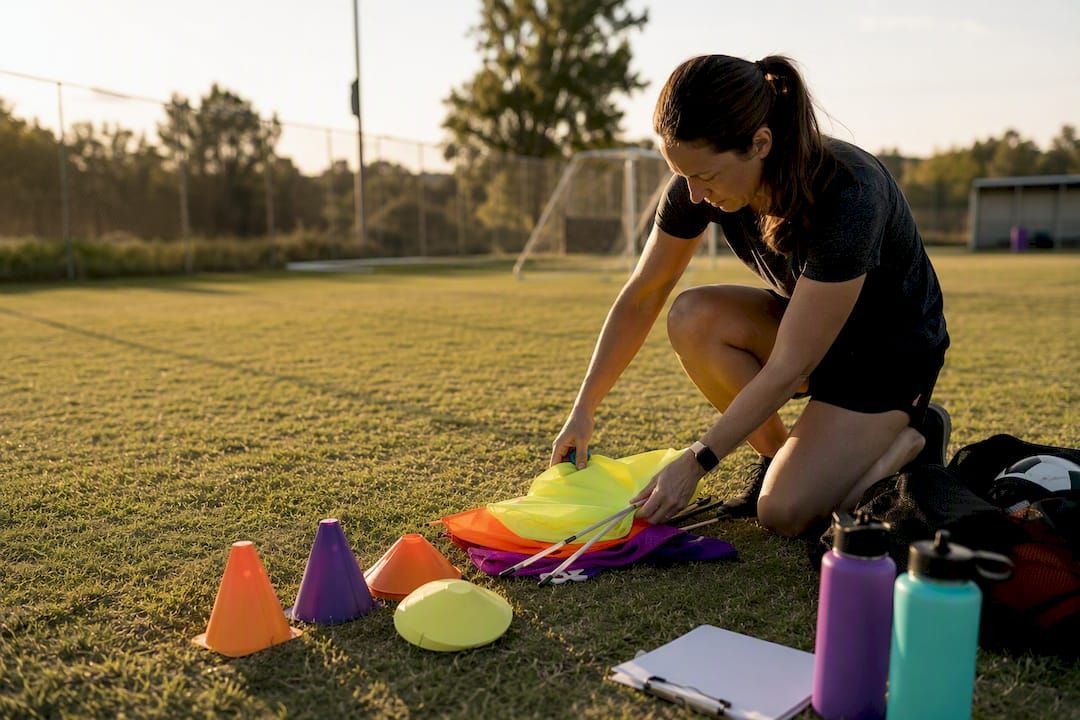
- Arrive 10 to 15 minutes early to check the space, confirm equipment is on hand, and set up before anyone shows up, a habit organizer guides consistently recommend.
- Check people in against your roster , not memory. Paid RSVPs get a quick visual confirmation so you're not relitigating who's on the list.
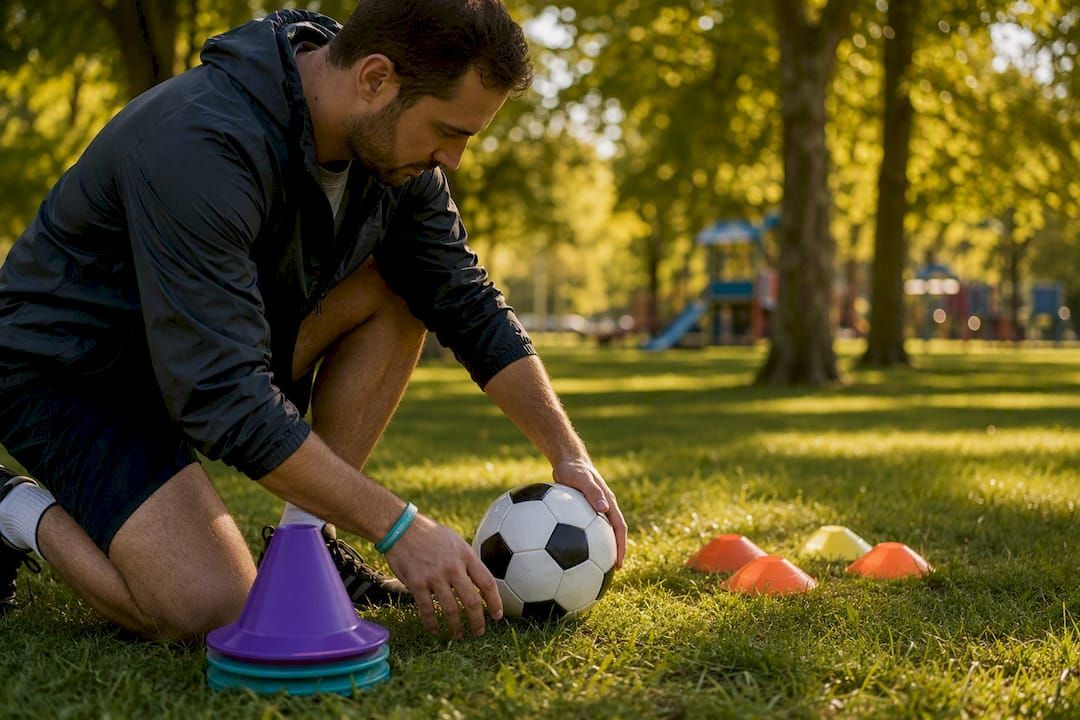
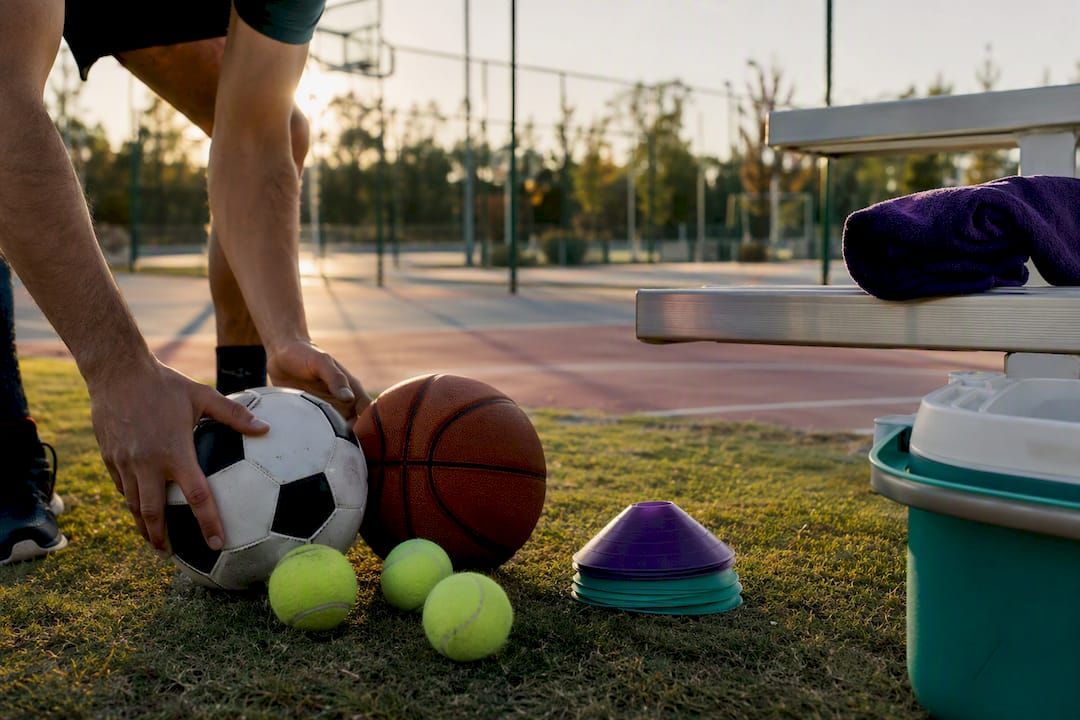
- Bring spares. A backup ball for each sport and a visible first-aid kit are the two items that save a night when something breaks or someone scrapes a knee.
- Announce rotation rules once, loudly , before the first whistle. Repeating instructions mid-game slows everyone down.
- Handle late arrivals and early leavers on the fly. If a court goes short-handed, pull the next waitlisted player in immediately rather than waiting for a natural break.
Most disruptions on multi-sport nights are logistics, not conflict. Solve them fast and keep moving.
How Do You Turn One Night Into a Recurring Series?
A weekly or biweekly cadence builds the habit that keeps a multi-sport night alive past the first few sessions. Sporadic scheduling forces you to rebuild your player base from scratch every time, and that's the fastest route to burnout.
Recurring groups that automate the setup, creating a template once and repeating it instead of rebuilding from zero, cut their organizer workload dramatically, a pattern Brunchie's recurring group guide documents well. Use attendance history to prioritize invites for reliable players when spots are tight, and reward consistency with early access to sign-ups.
- Recruit through direct asks and friend-of-player invites rather than broad public posts, which tend to fill fastest with people who'll actually show up.
- Track attendance rate, waitlist fill rate, and churn. Expect something in the range of 20 to 30% annual turnover even in healthy groups.
- Treat two unexplained no-shows as a trigger to drop priority status, not a ban, just a nudge back down the list.
Safety Protocols and Injury Management for Multi-Sport Nights
A visible first-aid kit and one person assigned to notice problems early prevent small issues from becoming real ones. Multi-sport nights mix sports with different injury risks, ankle rolls in basketball, collisions in soccer, overuse strain in badminton, so your prep needs to cover more ground than a single-sport pickup game would.
Keep a basic kit stocked with tape, ice packs, bandages, and any player-specific medical info you've collected (allergies, prior injuries) through your sign-up form. Assign check-in staff to flag anyone playing through visible pain rather than waving it off as "just walk it off." Multi-sport formats also mean players switch surfaces and movement patterns quickly. Build a genuine warmup window into your schedule instead of jumping straight from soccer cleats to a badminton court.
Have a plan for the moment something goes wrong: know where the nearest urgent care or hospital is relative to your venue, and keep at least one phone charged and accessible at all times. If your venue has staff on-site, confirm ahead of time whether they carry additional first-aid resources or an AED.
Finally, don't let the multi-sport format itself create hazards. Clear equipment from one sport off the court before the next one starts, and make sure lighting and surface conditions are checked during transitions, not just at the start of the night.
How Should You Communicate Schedule Changes to Players?
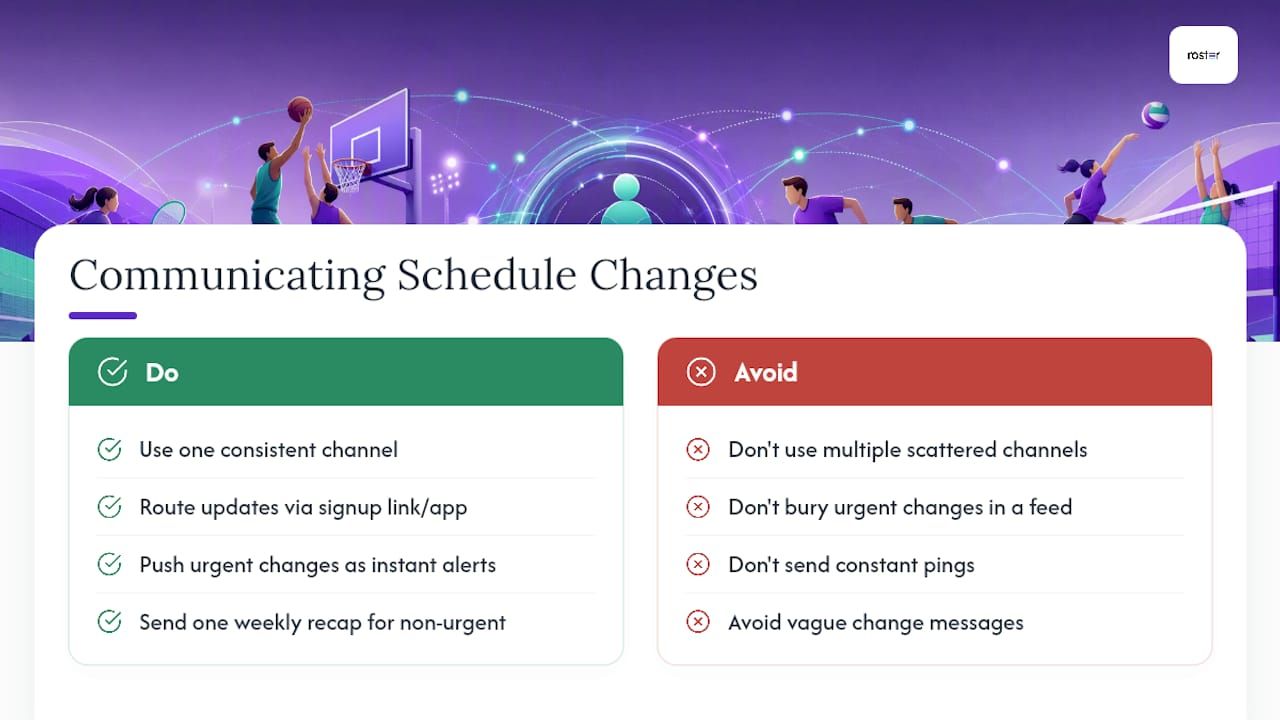
One consistent channel beats five scattered ones. The moment you're managing three group chats, a shared spreadsheet, and a paper sign-up sheet, something falls through the cracks and a player shows up to the wrong sport at the wrong time.
Route every update, a rained-out court, a shifted start time, a swapped sport order, through the same sign-up link or app notification players already used to register. That way the update reaches everyone who's actually rostered, not just whoever happens to be active in the group chat that day.
Push time-sensitive changes (weather cancellations, venue swaps) as instant notifications rather than a post buried in a feed. For non-urgent updates, like next month's schedule or a format change you're testing, a single weekly recap message works better than constant pings that train people to ignore your messages.
Keep the tone plain and specific: state what changed, when it changed, and what the player needs to do next. "Volleyball moved to Court 2, same start time" beats a vague "heads up, small change tonight!" that leaves people guessing.
Staffing and Volunteer Management for a Multi-Sport Night
Three roles cover most multi-sport nights: check-in, payments, and equipment. Trying to run all three yourself is the fastest way to fall behind before the first game even starts.
Recruit volunteers from your regular player pool rather than looking outside it. Someone who shows up every week already knows the format and the other players, which cuts the training time to almost nothing. Rotate the role occasionally so the same person isn't stuck missing playtime every single session.
Give each volunteer one job and a clear boundary. The check-in person verifies names against the roster and directs traffic. The payment point person answers billing questions and confirms nobody's dodging a fee. The equipment lead sets up before the first whistle and breaks down after the last one. Overlap creates confusion; clean separation keeps things moving.
For larger recurring series, consider a small rotating co-organizer team instead of one permanent backup. That spreads the workload and protects the whole night from collapsing if one person can't make it.
What Should You Look for in a Venue for Multi-Sport Nights?
Your venue needs to support your format, not just your sport list. A single gym floor works fine for rotation between basketball and volleyball, but block scheduling with equipment-heavy sports (badminton, pickleball) benefits from a space that lets you leave nets and gear semi-set-up between blocks.
Check for separate zones or courts if you're running a parallel-courts format. Two sports happening ten feet apart without a real buffer leads to stray balls, collisions, and annoyed players on both sides.
Confirm access logistics well before you announce the night: entry procedure, whether staff will be on-site, parking, and restroom access. Also check lighting if you're running anything past early evening, and flooring type, since a surface built for basketball can be rough on knees during badminton or futsal.
Finally, walk the transition path between sports if your venue hosts more than one activity. A court that requires carrying gear across the entire building between blocks will eat your buffer time fast, no matter how tight your schedule template looks on paper.
What Organizers Get Wrong About Multi-Sport Nights
The biggest mistake I see repeated is organizers quietly subsidizing no-shows, covering the gap themselves instead of enforcing the payment and waitlist rules they set. It feels generous in the moment. It trains your group to treat RSVPs as optional, and that unravels a multi-sport night faster than a bad schedule ever could.
The second lesson is simpler: your roster is not a group chat, it's a database. Contact info, attendance history, payment status, all of it belongs in one verified place you can act on, not scattered across texts you'll never scroll back through.
If you take one habit from this guide, make it attendance tracking. Knowing who actually shows up lets you protect spots for reliable players and stop guessing who'll bail next week.
Let Roster Sports Handle the Logistics You Shouldn't Have To
Roster Sports replaces the group-chat scramble with one workflow: create the event, set your cap and price, share a single link, and the app takes over from there. Players RSVP against real-time caps, the waitlist auto-promotes the moment someone drops, and payment gets collected up front instead of chased down after the fact.
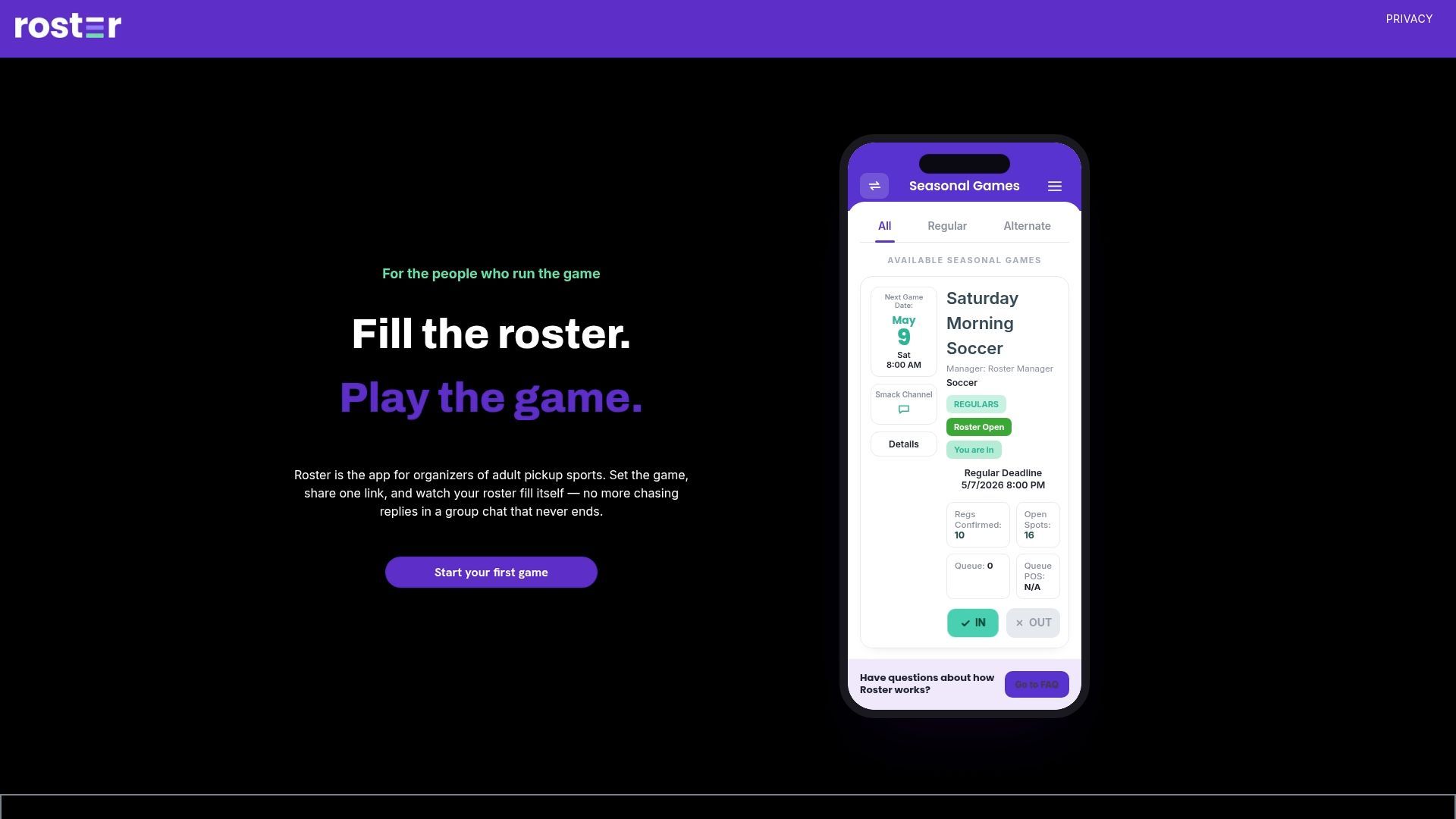
That means no manual texting the next waitlisted player, no spreadsheet of who owes what, and no separate tool for tracking attendance history across sports and weeks. For an organizer running rotation basketball, block-scheduled pickleball, and parallel-court soccer in the same evening, that's the difference between spending your night managing logistics and actually playing. Set up your next multi-sport night through the Roster Sports app and see how much of the admin work disappears on its own.
Frequently Asked Questions
How many sports should I include in one multi-sport night? Two to three sports usually works best for a single evening. More than that stretches your equipment, staffing, and scheduling too thin, especially if you're running block format with setup time between each one.
What's a good player-to-court ratio for a multi-sport night?
Do I need an app to organize sports night, or can I use a group chat? A group chat works for a single small game, but once you're juggling multiple sports, caps, and a waitlist, it breaks down fast. An app like Roster Sports keeps signups, payments, and waitlist promotion in one place instead of scattered across texts.
How far in advance should I open signups for a multi-sport night? A week out gives you time to poll for good time slots and lock a venue, with RSVPs closing 24 to 48 hours before the event so you can finalize your roster and alternate list.
What's the best way to handle a no-show who didn't pay in advance? Prevent it at the source by requiring payment at RSVP. If someone does no-show without paying, note it in their attendance history and use that record to deprioritize them for future limited spots.
Sources
Recommended