September 20, 2026
Organizers: Cut Aggressive Player Incidents in Half with Three Scripts

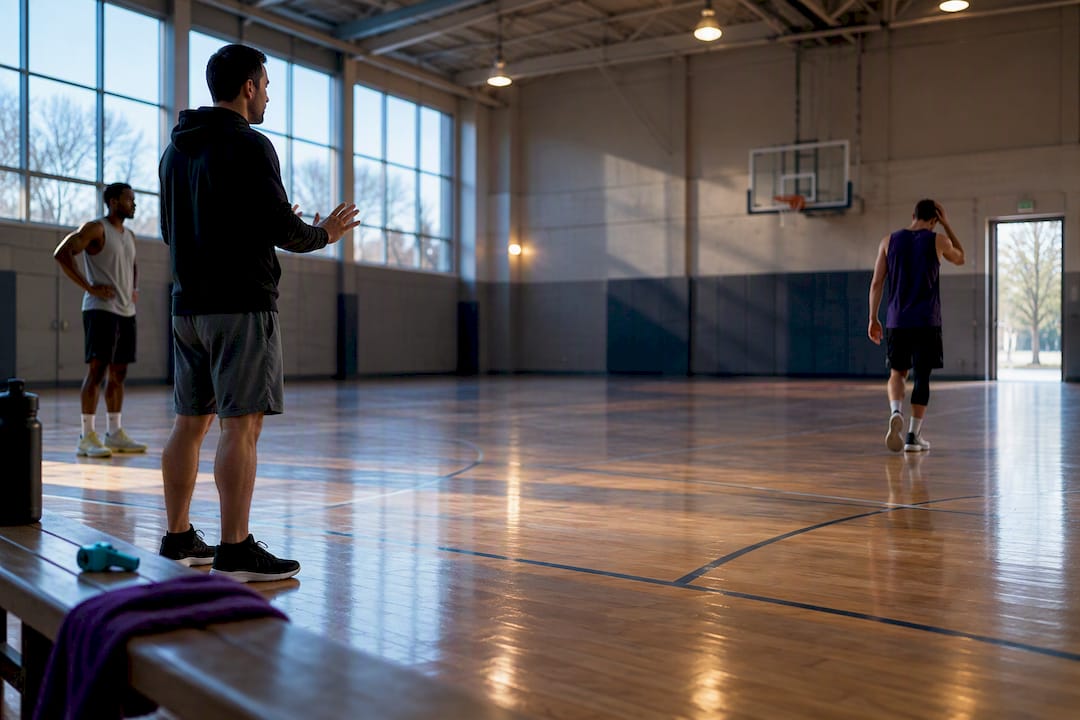
Stop the game the moment safety is in question, separate the people involved, and use a calm, prepared script to issue a first warning. If the situation includes a threat, a shove, or contact, skip straight to ejection and call the game-day manager or 911. Everything else, from documentation to season bans, follows from that first thirty seconds, so get them right.
TL;DR:
- A three-strike escalation system, with direct ejection for dangerous contact, threats, or refusal to leave, keeps rule enforcement clear and proportional.
- A short, visible code of conduct and pre-game reminders significantly reduce misconduct by setting expectations and reinforcing positive behavior.
- Assigning a designated game-day manager trained with scripted warnings and never confronting alone prevents escalation and ensures consistent handling.
- Immediate documentation of incidents, including detailed reports and witness statements, helps enforce sanctions and protects the league legally.
- Using automated tools like Roster Sports streamlines attendance, clarifies rules, and minimizes disputes, allowing organizers to focus on managing the game environment.
Table of Contents
- How Do You Handle Aggressive Players in the Moment?
- Building a Code of Conduct That Actually Prevents Trouble
- What's the Right Escalation and Ejection Procedure?
- Documenting Incidents So Sanctions Actually Stick
- Who Runs the Show, and How Do You Train Them?
- What Actually Cuts Incidents in Half
- Let Roster Sports Handle the Admin So You Can Handle the Room
- Templates and Guidance Worth Bookmarking
- Sources
- FAQ
How Do You Handle Aggressive Players in the Moment?
The first minute of a confrontation sets the tone for everything after it. Move slowly, speak evenly, and follow this order:
- Pause play. Blow the whistle, call time, or simply say "hold up" loud enough for both sides to hear.
- Physically separate the people involved. Ask calmly for space rather than grabbing anyone.
- Call the game-day manager or a second volunteer to stand nearby as a witness before you say anything else. Umpires and referees usually handle on-field problems directly, but a spectator or teammate ejection typically falls to whoever's running the league that day, so know in advance who that person is for your game.
- Deliver the first warning using a specific, factual script: "That elbow to the ribs was dangerous. One more like that and you're done for the day."
- If it happens again, use a shorter second warning: "That's your second warning. Next incident, you're out."
- If it happens a third time, or the first incident involved contact or a threat, skip the script and eject: "You're done for today. Please leave the field now."
Naming the exact behavior, not a vague complaint, is what makes these scripts work. "You pushed him" lands differently than "you're being aggressive," and it gives the other player less room to argue.
Never chase someone who's leaving, and never put your hands on a player, even to guide them off the field. If a player threatens you, another player, or refuses to leave after ejection, that's the moment to call 911, not to negotiate further.
Pro Tip: Write your three scripts on an index card and keep it in your bag. Rehearsed language beats improvised language every single time, especially when your adrenaline is up too.

Building a Code of Conduct That Actually Prevents Trouble
Prevention is cheaper than intervention. A short, visible code of conduct paired with pre-game reminders measurably reduces player and spectator misconduct, and it works because people know the rules before they're tempted to break them.
Keep your code short enough to fit on one screen or one sign. Include:
- No physical contact outside normal play, even in "friendly" competitive moments.
- Zero tolerance for threats, slurs, or targeted verbal abuse.
- A clear statement that the game-day manager can warn, eject, or suspend players on the spot.
- Basic sportsmanship expectations: no arguing calls with officials, no coaching the other team's players.
Post it on your game page, read a thirty-second version before kickoff or tip-off, and put a small sign near the check-in table. Reinforcement matters more than wording. A code nobody sees or hears about is just a document.
On the flip side, call out good behavior publicly. A quick shoutout to a player who calmed a tense moment or helped a new person feel welcome does more for your culture than another rule ever will.
What's the Right Escalation and Ejection Procedure?
Adult pickup leagues rarely need a formal safeguarding manual. A proportionate, behavior-focused policy fits the actual risk level of casual games better than an overbuilt legal document, and it's easier for volunteers to actually use.
A three-strike model, borrowed from how youth leagues handle parent ejections, adapts well to adult play:
- First strike: Verbal warning, specific and calm, delivered by the game-day manager.
- Second strike: Short reminder that the next incident ends their day.
- Third strike: Immediate ejection from the facility, not just the game.
Some behaviors skip the ladder entirely:
- Physical assault or intentional dangerous contact.
- Direct threats against a player, official, or organizer.
- Entering the field or court during a stoppage to confront someone.
- Slurs or hate speech directed at any participant.
Any of those go straight to ejection, and serious cases go straight to law enforcement. When you call facility security or police, state plainly what happened, whether anyone is hurt, and whether the person has left the premises. If they haven't, ask security or officers to handle removal rather than doing it yourself.
Documenting Incidents So Sanctions Actually Stick
An unmanaged incident is a liability problem, not just a mood problem. Documenting what happened and what you did about it protects the league from disputes and insurance headaches later.
Right after the game, write down:
- Date, time, and location.
- Names of everyone involved and any witnesses.
- The exact words used, not a paraphrase.
- Photos, only if it's safe and doesn't escalate things further.
Send a factual written summary to your co-organizers within 48 hours, and keep witness statements on file. For sanctions, use a ladder: a suspension for a first serious offense, a longer suspension for a repeat, and a season-long ban for anything involving assault or threats. Give players a simple way to appeal, one email to a designated person, reviewed within a week.
Who Runs the Show, and How Do You Train Them?
Every game needs one named person with the authority to warn, eject, and document, before the whistle blows, not after a fight starts. Pre-season talks and a visible point person for behavior issues cut down on both incidents and volunteer burnout.
- Assign a game-day manager who stays visible, watches for tension building before it boils over, and has the final call on warnings and ejections.
- Train backup volunteers on the same three scripts, plus one rule: never confront someone alone. A second witness changes the entire dynamic of a conversation.
- Rotate the game-day manager role across seasons so the same person isn't always the bad guy, and keep a shared log so nobody starts from zero.
Pro Tip: If your league plays anything with real contact risk, pair your conduct training with basic protective-gear guidance, like this mouth guard overview from ClearRetain, so prevention isn't just about behavior.
What Actually Cuts Incidents in Half
The organizers who have the fewest blowups aren't the ones with the toughest rules. They're the ones who rehearse their scripts out loud with volunteers before the season starts, so nobody's improvising under stress.
Short, factual language beats a lecture every time. And community pressure works better than you'd expect: once a few regulars start declining to play in games with a known troublemaker, that player's behavior tends to change faster than any written warning manages. Publishing clear expectations ahead of time, through your game page or a quick reminder message, makes on-site enforcement dramatically easier because nobody can claim they didn't know the rule.
— Daniel
Let Roster Sports Handle the Admin So You Can Handle the Room
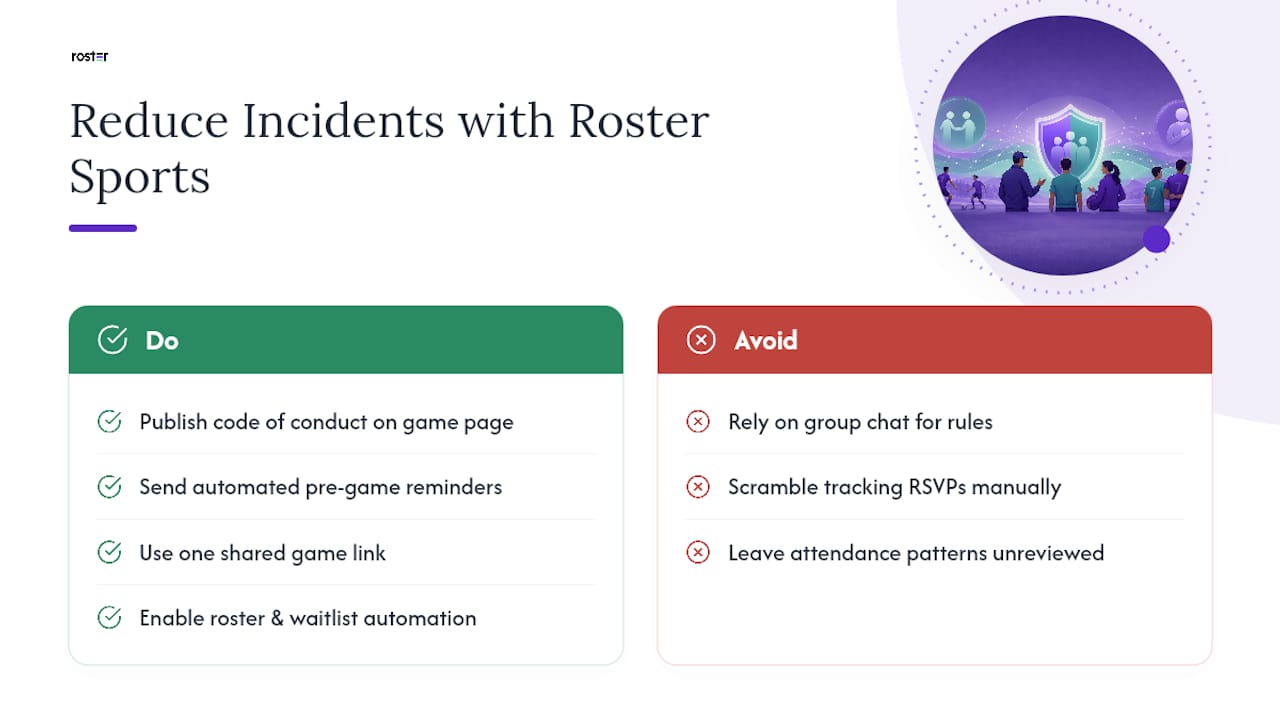
Roster Sports is the tool that takes the friction out of the logistics that quietly fuel half these blowups: overbooked rosters, unclear waitlists, and confusion over who's actually supposed to show up. Publish your code of conduct on your game page, send pre-game reminders automatically, and keep one shared link instead of a group chat where nobody agrees on the rules.
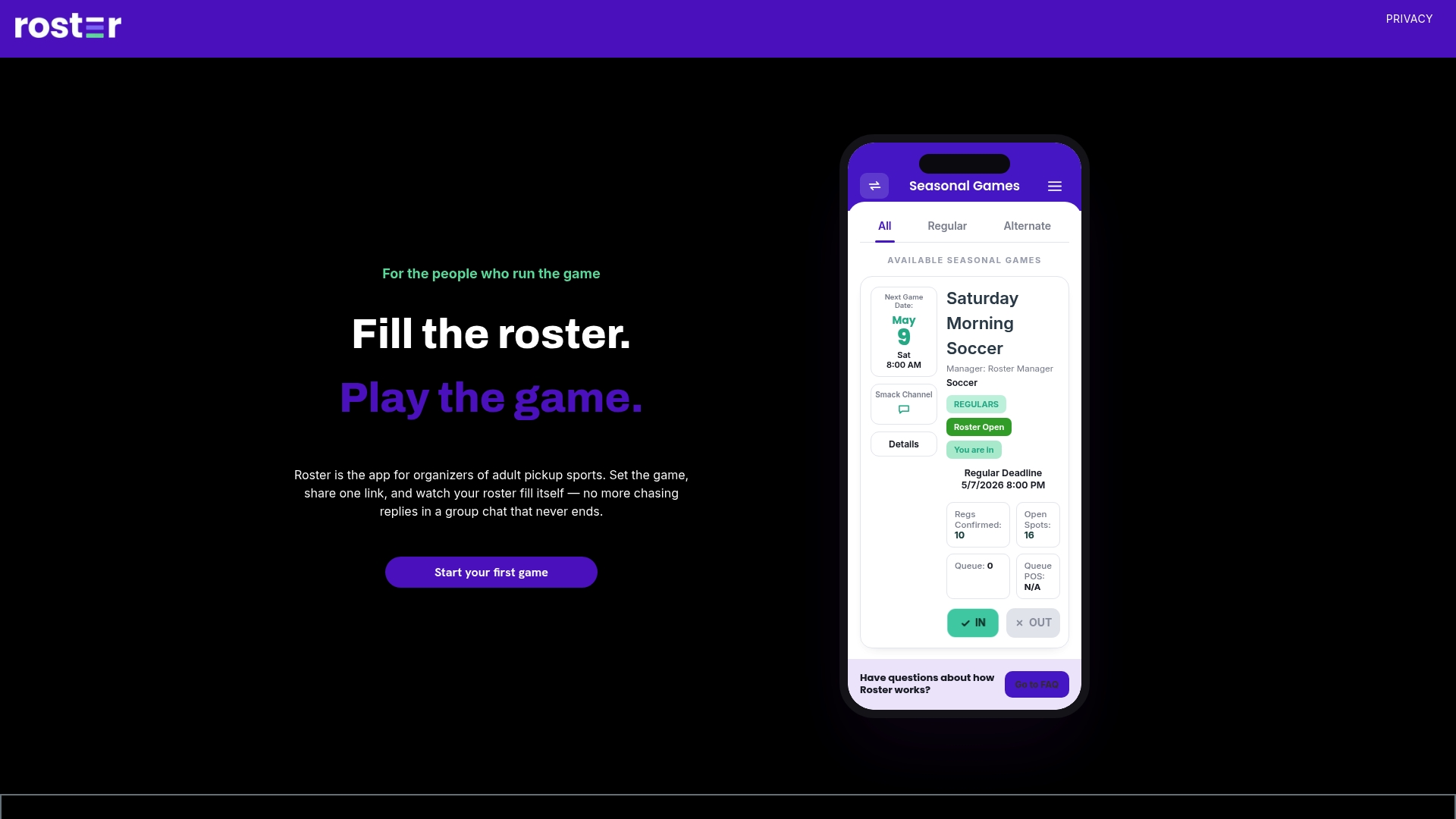
Automated roster filling and waitlist management mean fewer lineup fights over who's playing and who's sitting, since these resolve before anyone shows up. When you're not scrambling to track RSVPs or settle who-said-what in the group chat, you have more bandwidth to actually watch the game and step in early if tension starts building. If you're building out behavior policies for a new group, pair Roster's roster tools with a written code of conduct template so expectations are set before anyone laces up.
Try Roster for your next season, add your conduct policy to the game page, and use your attendance history to spot patterns before they turn into incidents.
Templates and Guidance Worth Bookmarking
For deeper frameworks, review the ejection process breakdown for scripted warnings, and the proportionate safeguarding approach for right-sizing your policy to an adult league.
Sources
- Creating positive sports environments and intervention strategies to handle challenges — Positive Coaching Alliance
- Ejecting a parent from a game: the step-by-step process every league needs — Ops Nine
- Safeguarding, behaviour and player welfare in a sports league — LeagueRepublic
FAQ
What's the first thing I should say to an aggressive player?
Name the specific behavior, not the emotion: "That shove was dangerous, one more and you're out." Specific language cuts down on arguing because there's nothing vague to debate.
When should I call the police instead of just ejecting someone?
Call police immediately for physical assault, direct threats, or a player who refuses to leave after ejection. Anything short of that usually stays a matter for the game-day manager to handle with warnings and ejection.
Do casual adult leagues need a formal safeguarding policy?
Most adult pickup leagues do better with a short, proportionate behavior policy than a heavy formal document, since it matches the actual risk level of casual play. Keep it to a page, and make sure it's visible.
How does Roster Sports help with player disputes?
Roster Sports lets organizers publish a code of conduct directly on the game page and send automatic pre-game reminders, so expectations are clear before anyone arrives. It also fills rosters and manages waitlists in real time, cutting down on the lineup disputes that come from overbooking. Current pricing details are available on the Roster Sports site.
Should I document every minor incident, or just the serious ones?
Document anything involving contact, threats, or repeated complaints, even if it feels minor at the time. A written summary sent within 48 hours protects the league and gives you a real record if the same person causes trouble again.